

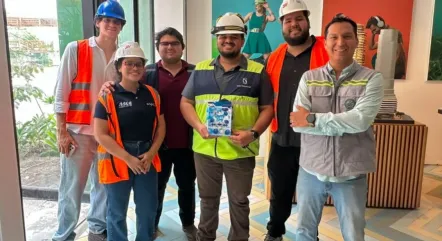
 Civil engineering students supplement their academic training with a technical visit to The Hills project
Civil engineering students enhanced their practical training through a technical visit to a high-rise construction project, where they learned about structural systems, geotechnical solutions, and construction processes, linking the knowledge they acquired in the classroom to real-world engineering challenges.
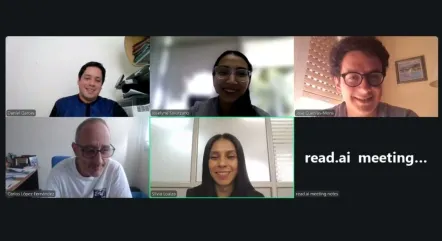 FICT and the University of Oviedo are planning new cooperation initiatives in the geosciences
FICT and the University of Oviedo are promoting new international cooperation efforts in the geosciences through joint research, training, and academic exchange initiatives, thereby strengthening opportunities for students and faculty and promoting projects with scientific impact.
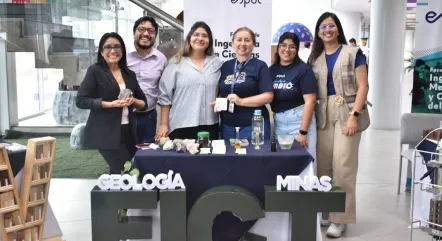 FICT strengthened ties with educational institutions during the second edition of the ESPOL 2026 School Rankings
FICT participated in the second edition of the ESPOL 2026 College Rankings, strengthening its ties with educational institutions and promoting its academic programs to introduce more students to educational opportunities in Geosciences engineering.
 International Alliance Promotes Water and Research Projects for Sustainability in Manglaralto
FICT-ESPOL and Rey Juan Carlos University strengthened their academic cooperation through a technical meeting held from May 26 to 28, 2026. The agenda included a visit to the “Water Sowing, Harvesting, and Reuse for Sustainability (Phase II)” project in Manglaralto, where equipment valued at approximately 10,000 euros was donated. In addition, both institutions reviewed research topics and scientific articles to be developed jointly. Looking ahead, they plan to launch a research project and produce two scientific publications in international collaboration over the next 18 months.
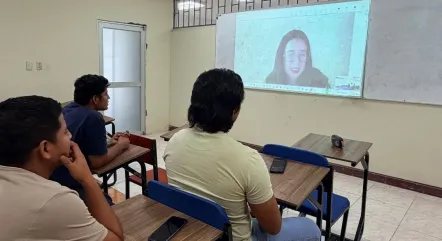 Civil Engineering Students Learn About Innovative Technologies for the Biological Treatment of Wastewater
Civil engineering students enhanced their knowledge of wastewater treatment through a technical presentation on innovative biological technologies, gaining insight into international research and sustainable solutions for water resource management.
 Minas Students Enhance Their Professional Profile with 1Mentor by QS
The Mining Program at FICT-ESPOL held a training session on the 1Mentor by QS platform, aimed at strengthening its students’ professional profiles and aligning their education with the current demands of the mining industry. During the workshop, participants used tools based on artificial intelligence and labor market data to explore career opportunities, identify required competencies, and recognize skill gaps. The event was organized by the Mining Coordination Office, with support from Nadia Lagasca, M.Sc., and the SME-ESPOL Student Chapter.
 Presentation of the Results of the GEPOA Project to Strengthen Environmental Monitoring in Ecuador
Ph.D. candidates from ESPOL present the results of the GEPOA project, a platform that integrates satellite data to strengthen the monitoring of marine protected areas and the early detection of weather events, thereby promoting applied research and environmental management in Ecuador.
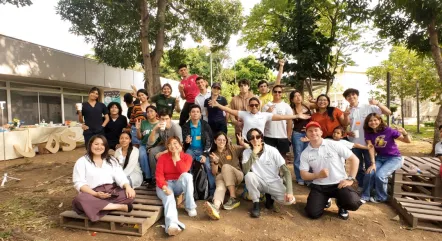 The ESPOL Sustainable Development Club Strengthens the Integration of Its Members
The ESPOL Sustainable Development Club held a social event at FICT to welcome new members and strengthen camaraderie, communication, and teamwork. The event brought together students from various majors and provided an opportunity to introduce the Club’s new executive board and its advisor, Johanna Zambrano Anchundia, M.Sc. The activity highlighted the group’s multidisciplinary nature and the importance of creating spaces for social interaction, leadership, and student participation to promote initiatives related to sustainability.
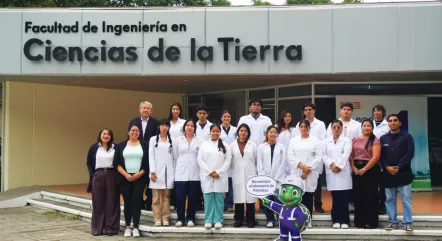 Environmental Engineering Students Learn About Processes in the Hydrocarbon Industry at ESPOL
Environmental Engineering students from the Agrarian University of Ecuador visited ESPOL’s Petroleum and Drilling Fluids Laboratory to learn about processes in the hydrocarbon industry and their relationship to the assessment and management of environmental impacts. The event covered topics such as environmental sampling, sources of pollution, exposure pathways, and risk assessment for human health, fostering interdisciplinary exchange between the fields of environmental engineering and petroleum engineering. The activity helped enhance the students’ education and created opportunities for academic collaboration between the two institutions.
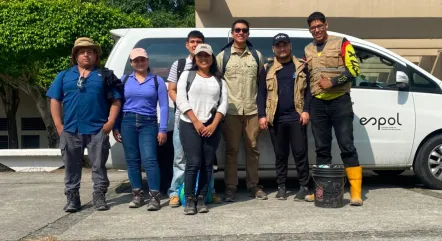 FICT is conducting an interdisciplinary survey to support water management in Punta de Piedra
FICT-ESPOL conducted an interdisciplinary field trip to Punta de Piedra, in the Gulf of Guayaquil, to gather hydrological, social, and geophysical data to help understand the subsurface conditions and the community’s water supply needs. Civil engineering and geology students, along with participants from other disciplines, conducted surveys and geophysical tests to estimate water demand and assess groundwater potential. The activity is part of the “Nature-Based Solutions for Integrated Water Management (Phase III)” project and aims to provide technical information for the development of sustainable water resource management alternatives.