

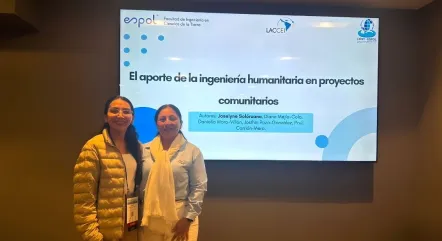
 FICT Strengthens Its Contribution to Humanitarian Engineering Through Research Presented at the LACCEI International Conference
At the LACCEI international conference, FICT presented research on humanitarian engineering, engineering education, and sustainable water management, highlighting the collaborative work between academia and vulnerable communities and strengthening the international reach of its research.
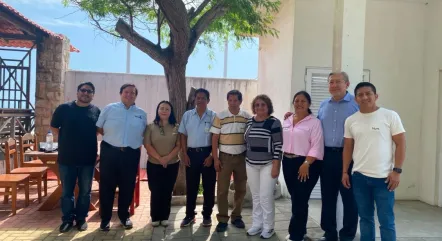 Universities and Communities Join Forces for Water: ESPOL Promotes a Key Dialogue.
ESPOL held a strategic meeting with representatives from the Manglaralto, Olón, and Valdivia water boards, along with CES academic advisor Dr. Ángela Calderón, to exchange experiences on sustainable water management and collaboration between academia and communities. The meeting featured presentations by Gloria Malavé, president of JAAPMAN, and Joselyne Solórzano, Ph.D. (c), who presented in Chile, as part of LACCEI, the humanitarian engineering project carried out in Manglaralto—an initiative internationally recognized by UNESCO as a Demonstration Site for Ecohydrology. The meeting reaffirmed the value of more than two decades of collaboration between ESPOL and local communities to strengthen water management and build local capacity.
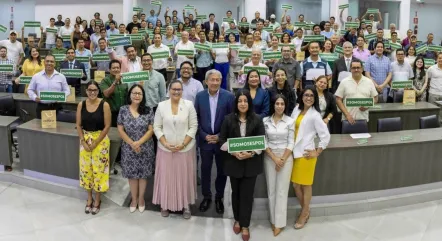 FICT graduates strengthened their ties with ESPOL during the Alumni 2026 gathering
The 2026 FICT Alumni Reunion brought together approximately 120 graduates from different classes to strengthen their ties with the School, share their achievements, and explore new opportunities for collaboration that integrate the alumni’s professional experience into the education and inspiration of new generations.
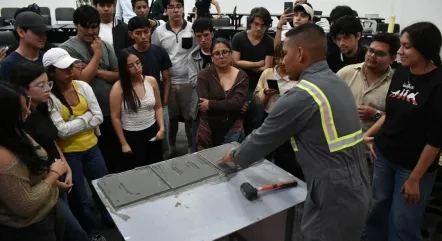 Technical Seminar Enhances Knowledge of Construction Quality and Error Prevention on Construction Sites
Civil engineering students expanded their knowledge of best construction practices through a technical presentation that addressed the prevention of errors on construction sites, the proper use of materials, and criteria for improving the quality, efficiency, and sustainability of projects.
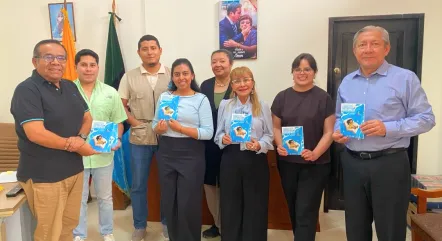 ESPOL and the Santa Elena Prefecture are coordinating the creation of territorial analysis maps under an inter-institutional agreement
ESPOL and the Decentralized Autonomous Provincial Government of Santa Elena made progress in drafting a specific agreement to strengthen the management and mitigation of risks from floods and landslides associated with the El Niño phenomenon. The proposal calls for the creation of risk maps that will provide technical information for land-use planning and decision-making. During the event, the book Pozos de Esperanza was also presented; this publication aims to promote the conservation and sustainable use of water. The collaboration between the two institutions strengthens cooperation on issues of territorial resilience, water management, and natural hazard prevention.
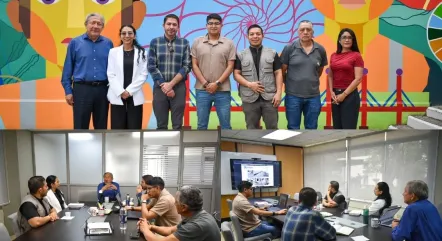 Biblián will strengthen geological risk mitigation and prevention through new technical studies conducted by ESPOL
FICT and the Municipal GAD of Biblián are planning a technical-scientific collaboration to study geological faults and potential threats in the region, generating information that will contribute to risk prevention, cantonal planning, and the practical training of students.
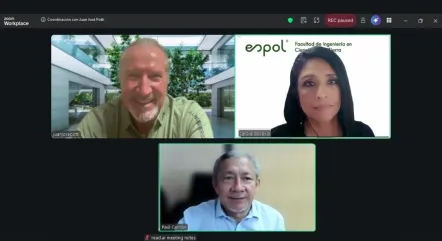 International cooperation opens up new opportunities for the Engineering Pioneers program
FICT is strengthening its international cooperation to expand academic and professional opportunities for its students through the Pioneers of Engineering program, forging partnerships with universities, companies, and technology centers in Spain to promote training opportunities, internships, and future joint initiatives.
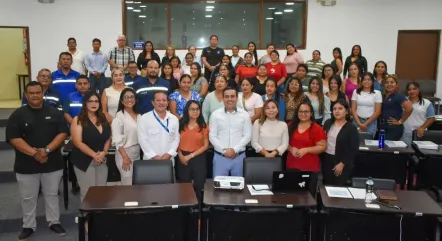 Conduespol trains women to operate heavy machinery on road construction sites
CONDUESPOL promotes training for women in the operation of heavy machinery and road construction equipment, strengthening their technical skills and opportunities for employment in the road sector through collaboration among academia, the public sector, and vocational training programs.
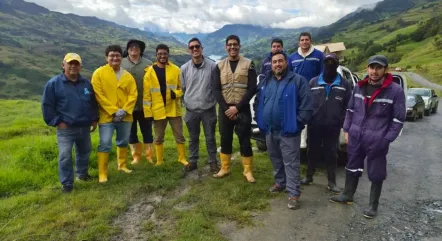 Geophysical Survey Campaign Aids in Characterizing Unstable Areas in Cruzpamba and Chalacay
FICT, CIPAT, and CELEC E.P. conducted a geophysical survey campaign in unstable areas of Azuay to characterize subsurface conditions and generate technical information that will contribute to the monitoring, management, and mitigation of risks associated with ground instability.
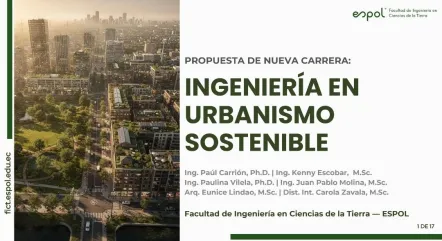 FICT and FCSH are strengthening their collaboration to promote new interdisciplinary academic initiatives
FICT and FCSH strengthened their collaboration to promote interdisciplinary academic initiatives that integrate engineering, territorial planning, urban planning, and the social sciences, expanding educational opportunities and fostering innovative solutions for the sustainable development of cities and territories.