FICT held an academic talk on GIS and remote sensing applied to the Ecuadorian Amazon

Image
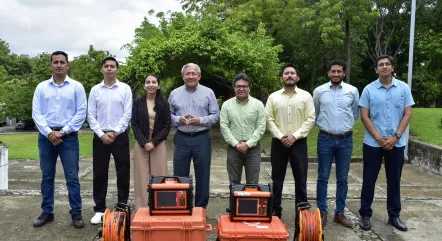
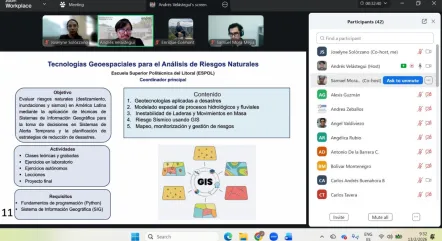
ESPOL’s FICT held the academic talk ‘Exploring the Amazon from Space: GIS and Remote Sensing in University Education,’ aimed at strengthening academic training through the use of geospatial tools. During the event, a scientific article analyzing the expansion of illegal mining in Zamora Chinchipe was presented, highlighting the use of GIS and remote sensing—developed by the faculty of ingenieria en...—to understand territorial dynamics, support decision-making, and prevent environmental and social impacts in the Ecuadorian Amazon.

The Petroleum Engineering Program at FICT-ESPOL welcomes its new generation of future energy leaders

Image
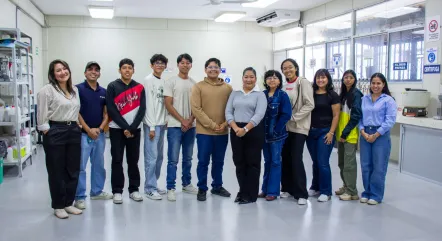
The Petroleum Engineering program at FICT-ESPOL welcomed its new students with an orientation day that included an overview of the curriculum, an analysis of the industry's value chain, and the development of their first laboratory tests. This event combined technical learning with recreational activities, seeking to motivate young people and strengthen their sense of belonging from the very beginning of their professional training.

ESPOL and CELEC EP strengthen applied research through an addendum to the tripartite cooperation agreement

Image
ESPOL signed an addendum to the tripartite cooperation agreement with CELEC E.P. to expand the technical and scientific scope of applied research in geological and geotechnical studies at the CELEC-SUR unit. The expansion includes additional funding to carry out new soil and rock mechanics tests and geophysical studies, strengthening the characterization of the territory, the security of energy infrastructure, and coordination between academia and the strategic sector.

The Kamanchaka: mist that gives life to dry ecosystems

Image
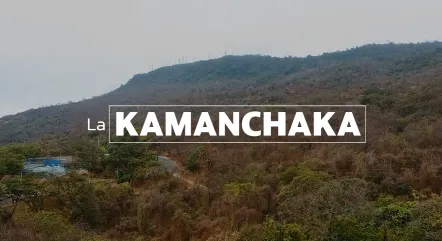
The UNESCO Chair in Geosciences Applied to Sustainable Development at ESPOL promoted the value of kamanchaka, coastal fog that brings moisture to the Prosperina Protected Forest, sustaining biodiversity and ecological processes in dry areas through natural water collection.

Pro-Amazonia Project approved and funded by CNPq and ACTO

Image
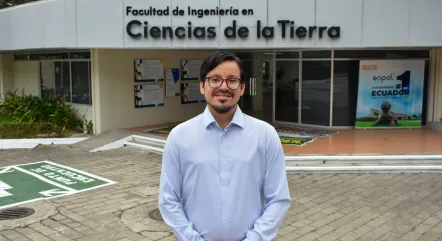
The project “Monitoring of soil health bioindicators in syntropic agroforestry food systems in the Amazon” was approved and funded by CNPq and ACTO in the Pro-Amazonia call for proposals. The initiative, led by UFRA with the participation of ESPOL, will integrate GIS and remote sensing to analyze and monitor soil health. ESPOL's participation is through Ph.D. Andrés Velástegui, strengthening international scientific cooperation and the generation of key information for the sustainable management of the Amazon region.

Graduation with professional identity: from students to “Cileros”

Image
The recent civil engineering graduation ceremony at FICT–ESPOL highlighted the international reach of its students. David Vélez and Jorge Villón participated in the 23rd Ibero-Latin American Asphalt Congress (CILA) in Paraguay, strengthening their training in pavements and their ties to the regional technical community. During the ceremony, they commemorated this experience by reaffirming their professional identity as “Cileros.”

FICT teachers strengthen their skills in transdisciplinarity and artificial intelligence at the Erasmus+ regional conference

Image
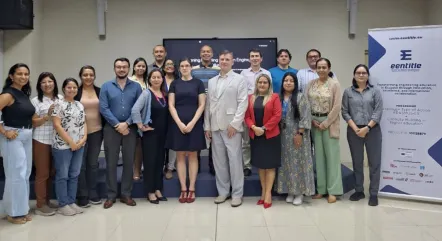
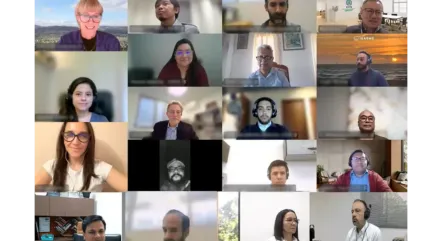
FICT–ESPOL teachers participated in the Erasmus+ Regional Conference of the EENTITLE project, strengthening their skills in transdisciplinary integration and artificial intelligence applied to engineering education. The conference promoted innovative approaches, the critical and responsible use of AI in the classroom, and the continuous improvement of academic training in the face of current engineering challenges.

Article (Q1-Decile 1) | Polymer-enhanced foams to increase oil recovery and CO₂ storage

Image
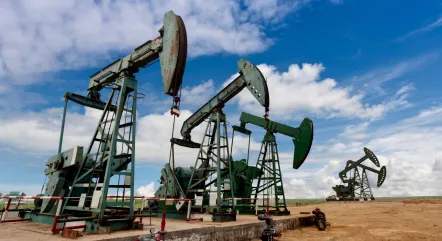
Researchers from FICT–ESPOL published a study in the journal Geoenergy Science and Engineering (Q1–Decile 1) on polymer-enhanced CO₂ foams (HPAM) to control their mobility in enhanced oil recovery and geological storage processes. The experimental results demonstrate greater sweeping efficiency compared to conventional foams. The work was carried out in collaboration with the University of Bergen, strengthening international scientific cooperation.