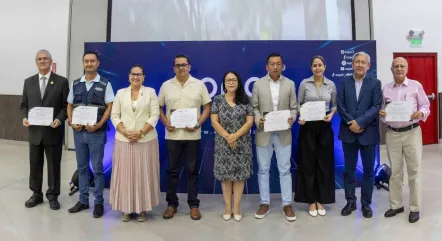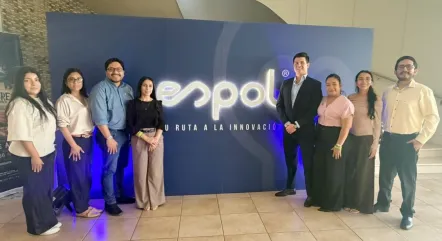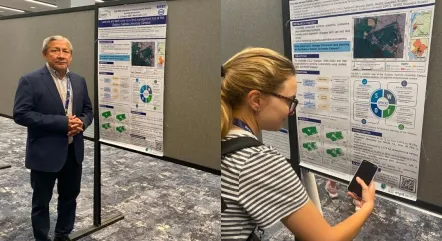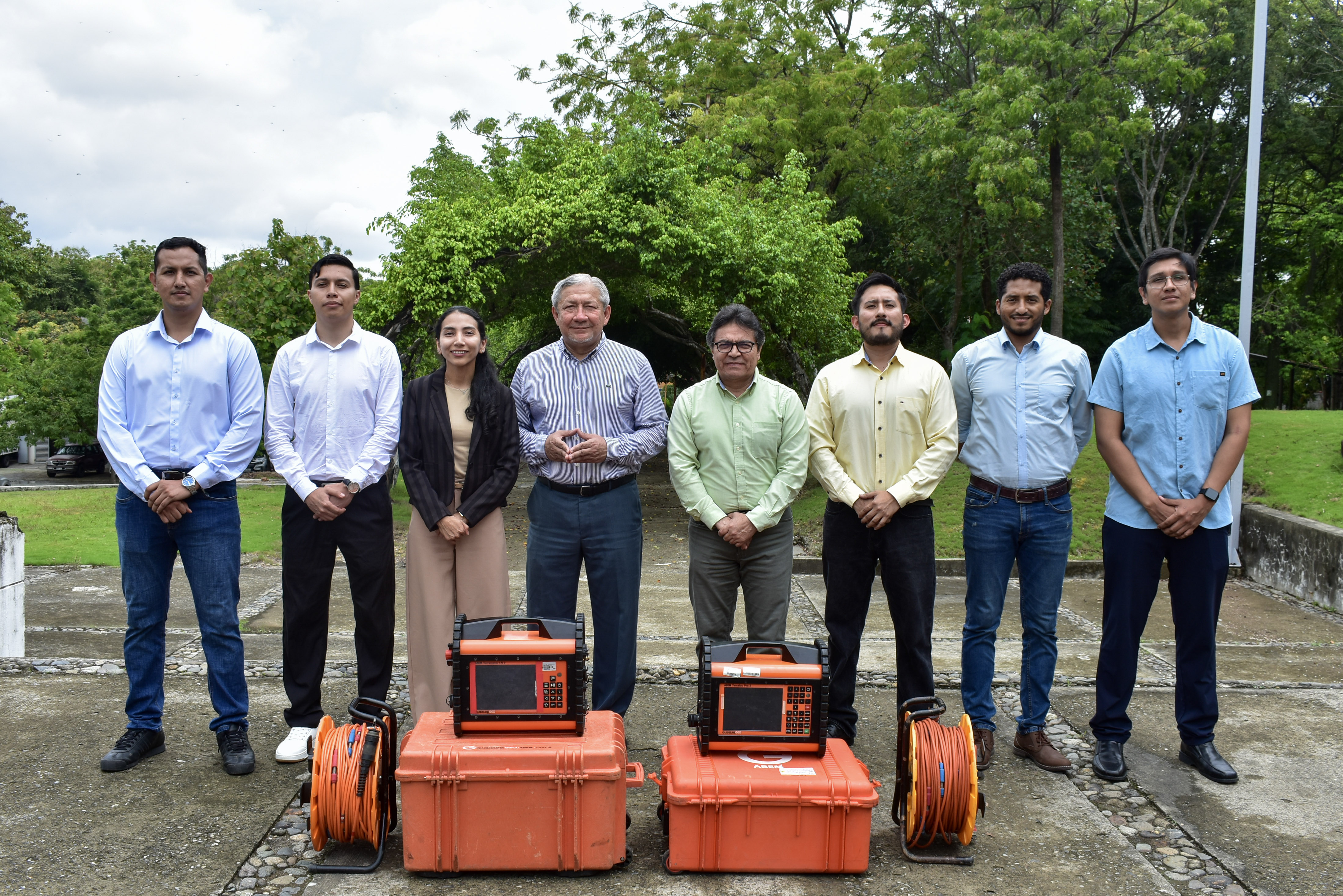


The Escuela Superior Politécnica del Litoral (ESPOL) signed an addendum to the tripartite cooperation agreement entitled “Applied research project in geotechnical geological studies for the unstable areas management program of the CELEC-SUR business unit,” with the aim of expanding the technical and scientific scope of the research carried out under this inter-institutional agreement.
This addendum extends the scope of Agreement CSR-CON-0102-23 through an additional financial contribution that will enable new studies of institutional interest to be carried out on electricity generation projects.
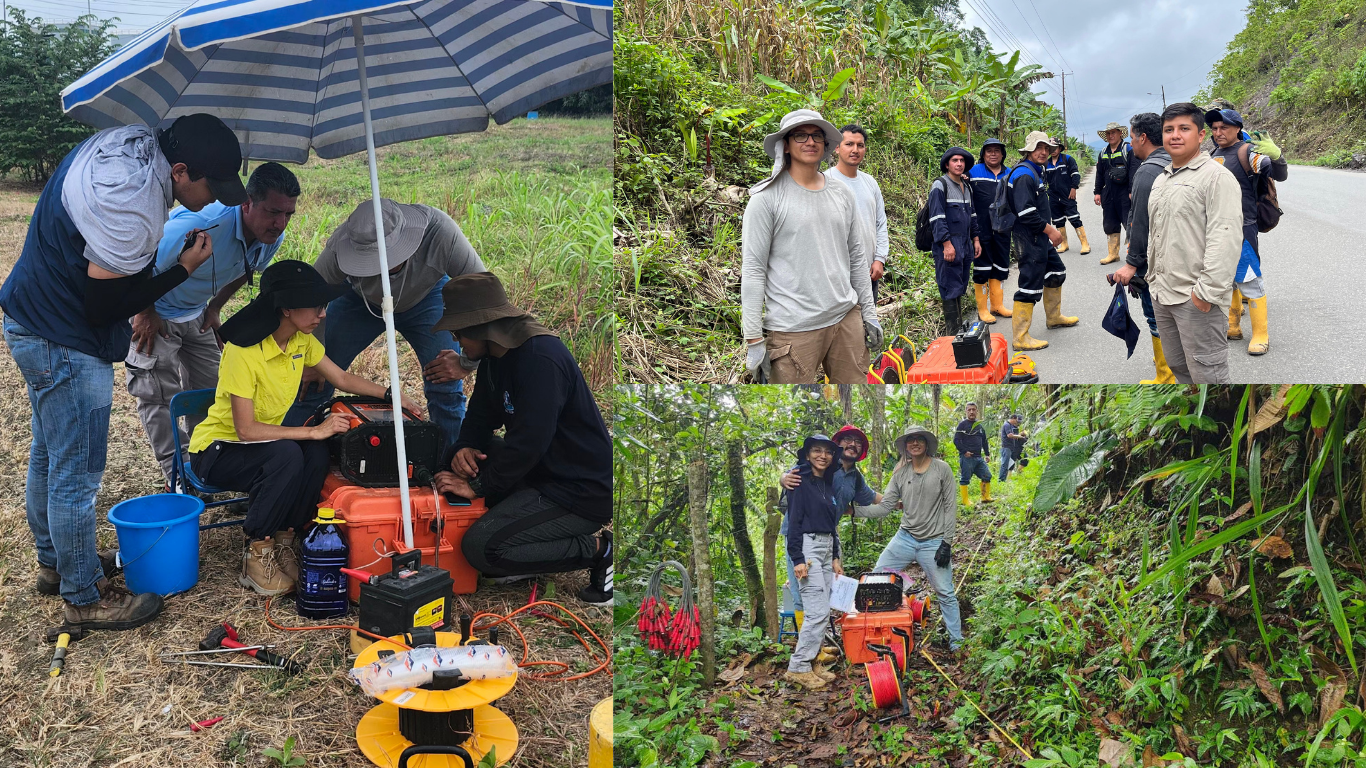
The activities covered by this extension include soil and rock mechanics testing, as well as the expansion of geophysical studies in strategic areas, which complement previously conducted research and future planned research. These studies are essential for strengthening the geological and geotechnical characterization of the areas of influence, contributing to the reduction of the electricity deficit, and protecting both critical infrastructure and communities settled in areas with potential instability.
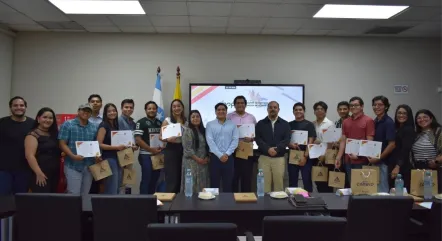
Within the framework of this addendum, the following individuals participated as leaders of the process and technical development of the project: Paúl Carrión Mero, Ph.D., administrator of the specific geophysics agreement on behalf of ESPOL; Fernando Morante, Ph.D., director of the research project; and Joselyne Solórzano, M.Sc., co-director of the project.
This addendum reaffirms ESPOL's commitment to high-impact applied research, the articulation between academia, the productive sector, and the public sector, and the generation of knowledge oriented toward energy security, sustainable development, and responsible land management.
The activity aligns with the Sustainable Development Goals (SDGs), specifically SDGs 9 (Industry, innovation, and infrastructure), SDGs 11 (Sustainable cities and communities), SDGs 12 (Responsible consumption and production), and SDGs 17 (Partnerships for the goals).