What happens to the land when a mine stops operating?
Mining is a fundamental activity for society’s economic and technological development. However, when a mining operation ceases its activities, a key question arises: What happens to the land left behind?
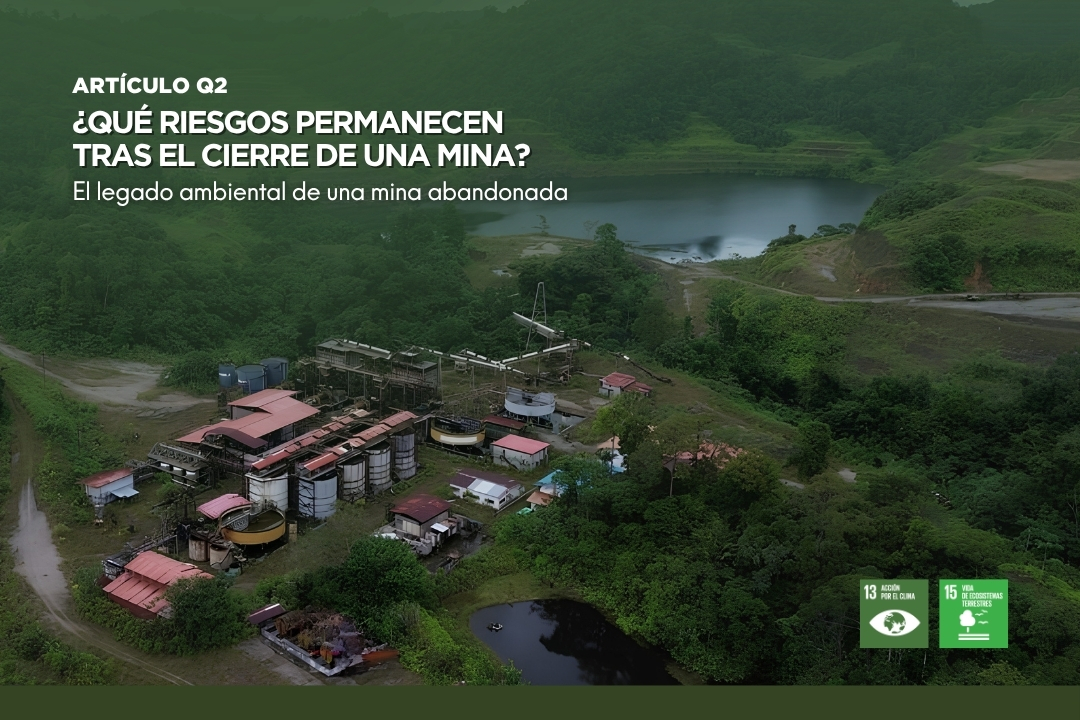
To answer this question, an international team of researchers from Panama, Ecuador, and Spain assessed the environmental condition of the soils at the Petaquilla mine, a gold mine in Panama that suspended operations in 2014 without a comprehensive environmental restoration process.
The research focused on analyzing the physical, chemical, and biological characteristics of the soils in different areas of the former mine, including processing areas, workshops, tailings ponds, and areas near bodies of water. In addition, potentially toxic elements such as lead, zinc, copper, arsenic, and mercury were studied, as well as hydrocarbon residues resulting from industrial activities carried out during the mine’s operational lifespan.
The results showed that contamination is not distributed uniformly across the site. Some areas have high concentrations of metals and hydrocarbon residues, while others show lower levels of contamination. This information made it possible to identify priority areas for future environmental restoration and recovery efforts.
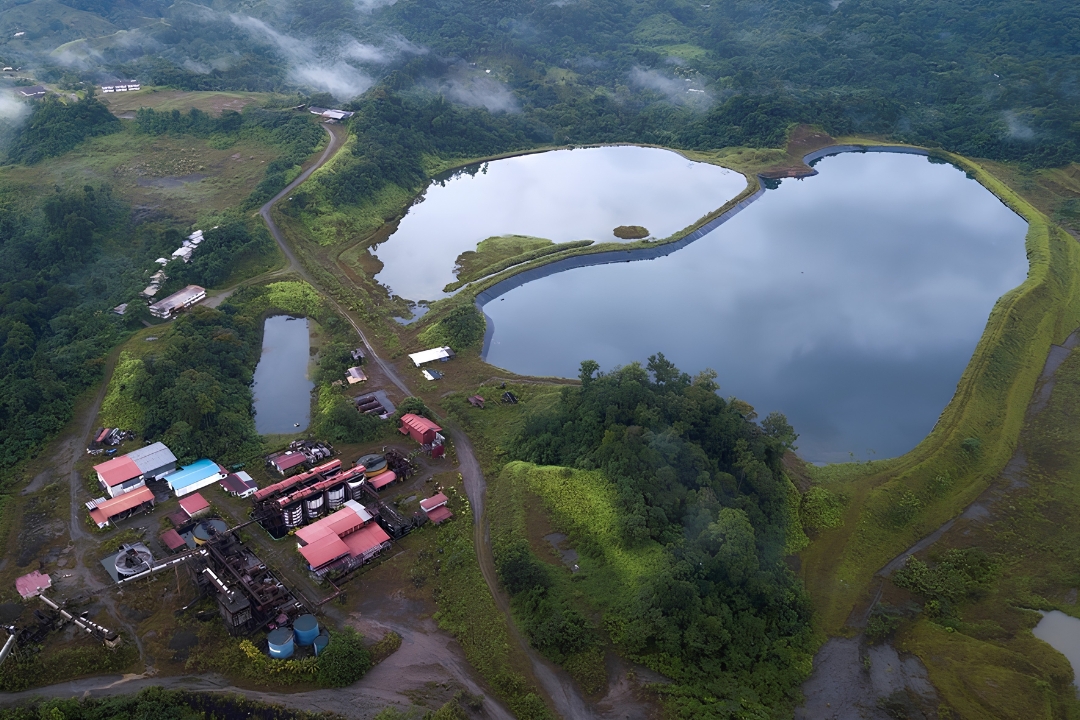
The research focused on analyzing the physical, chemical, and biological characteristics of the soils found in different areas of the former mine, including processing areas, workshops, tailings ponds, and areas near bodies of water. In addition, potentially toxic elements such as lead, zinc, copper, arsenic, and mercury were studied, as well as hydrocarbon residues resulting from industrial activities carried out during the mine’s operational life.
The results showed that contamination is not distributed uniformly across the site. Some areas exhibit high concentrations of metals and hydrocarbon residues, while others show lower levels of contamination. This information made it possible to identify priority areas for future environmental restoration and remediation efforts.
One of the most significant findings was the identification of areas where evidence of contamination associated with the mine’s historical activities still persists. Furthermore, the analyses suggest that certain natural processes have contributed to the partial degradation of some contaminants over time, aided by the region’s climatic conditions.
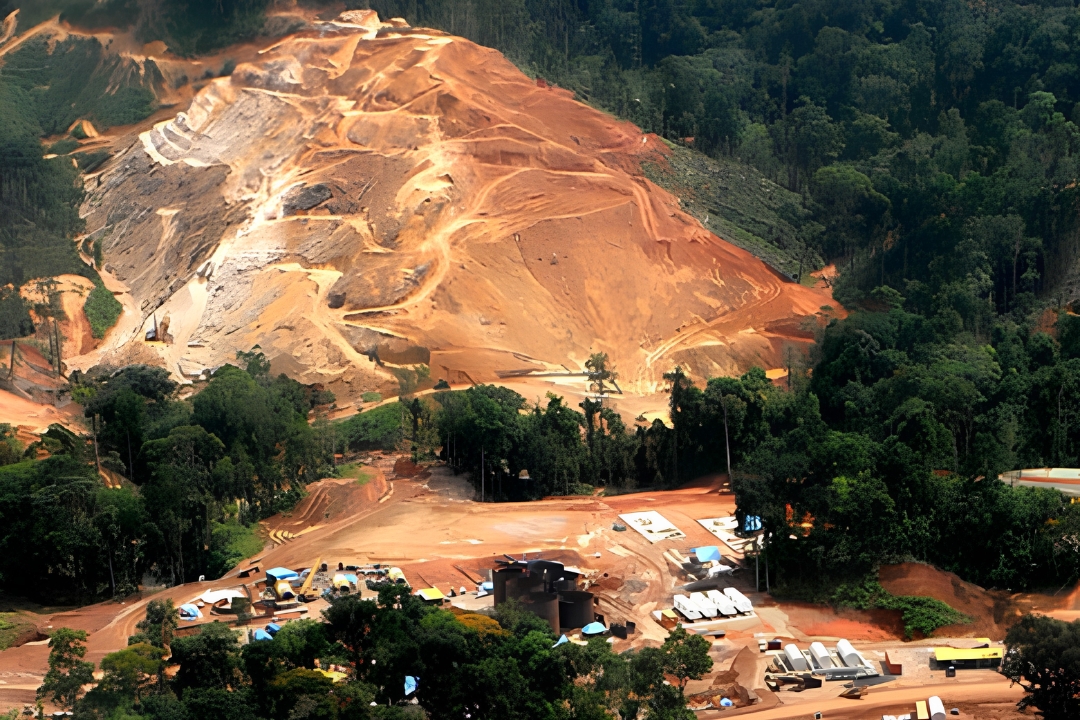
In addition to the environmental assessment, the study included a human health risk assessment. The results showed that children are the most vulnerable group to potential exposure to soil contaminants, highlighting the importance of considering this type of analysis when planning remediation strategies for sites impacted by extractive activities.
Beyond the characterization of a specific case, this research provides valuable scientific information for understanding the challenges associated with abandoned mines in Latin America. Its findings help strengthen evidence-based decision-making and provide tools for designing more effective environmental restoration processes aimed at protecting ecosystems and nearby communities.
The study was conducted by researchers from the Technological University of Panama, the Escuela Superior Politécnica del Litoral (ESPOL), the University of Oviedo, and the University of Castilla-La Mancha, thereby strengthening international collaboration on the management of mining environmental liabilities and the sustainable recovery of territories affected by extractive activities.
Full article: https://doi.org/10.3390/min16050522
AUTHORS - International
Technological University of Panama (UTP)
- Ana C. Gonzalez-Valoys
- Felipe Segundo
- Jonatha Arrocha
- Javier Lloyd
University of Oviedo (Spain)
- José R. Gallego
- Efrén García-Ordiales
University of Castilla-La Mancha (Spain)
- Francisco Jesús García-Navarro
- Pablo Higueras
THE AUTHORS - ESPOL
Faculty of Geosciences Engineering - FICT
- Samantha JImenez O.
- Johanna Zambrano A.