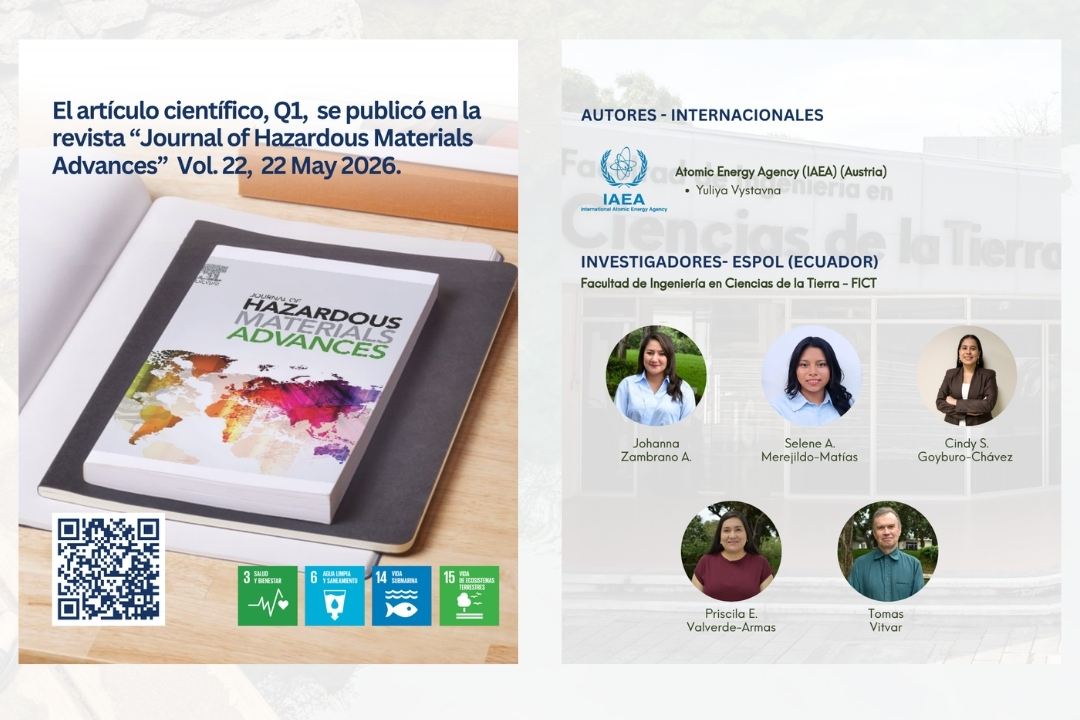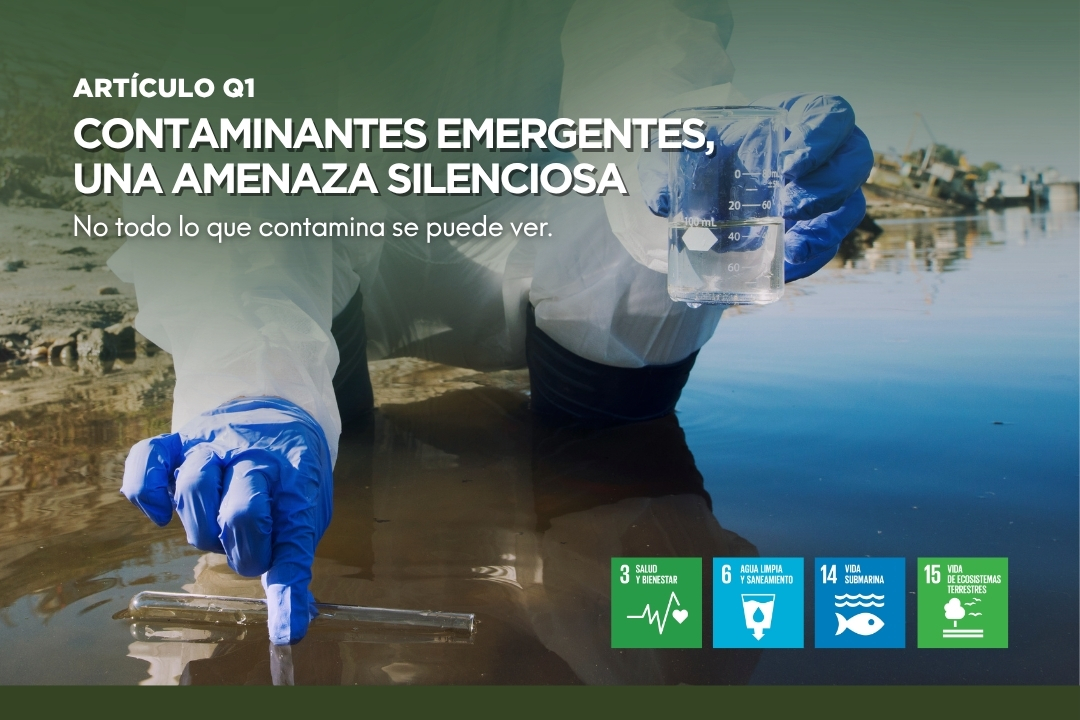
Water quality faces increasingly complex challenges. Beyond traditional pollutants, in recent years the scientific community has focused particular attention on a group of substances known as emerging contaminants—compounds that include medications, pesticides, hormones, personal care products, and illicit drugs—whose presence in the environment has raised concerns about their potential effects on ecosystems and human health.
To understand the current state of knowledge on this issue in South America, an international team of researchers from Ecuador, Austria, and the Czech Republic conducted a scientific review focused on natural waters in Ecuador, Colombia, Peru, and Chile. The study compiled and analyzed available information on the presence of emerging contaminants in rivers, groundwater, and treated and untreated wastewater, identifying trends, information gaps, and challenges for water resource management.
The results show that pharmaceuticals constitute the most studied group of emerging contaminants in the region. Among the most frequently reported compounds are carbamazepine, caffeine, acetaminophen, and diclofenac—substances widely used in everyday life that can enter water bodies through domestic and industrial discharges.
The research also revealed significant differences among the countries analyzed. Colombia has the highest number of studies and monitored compounds, while Ecuador, Peru, and Chile still have significant opportunities to strengthen research and expand knowledge about the distribution of these pollutants.
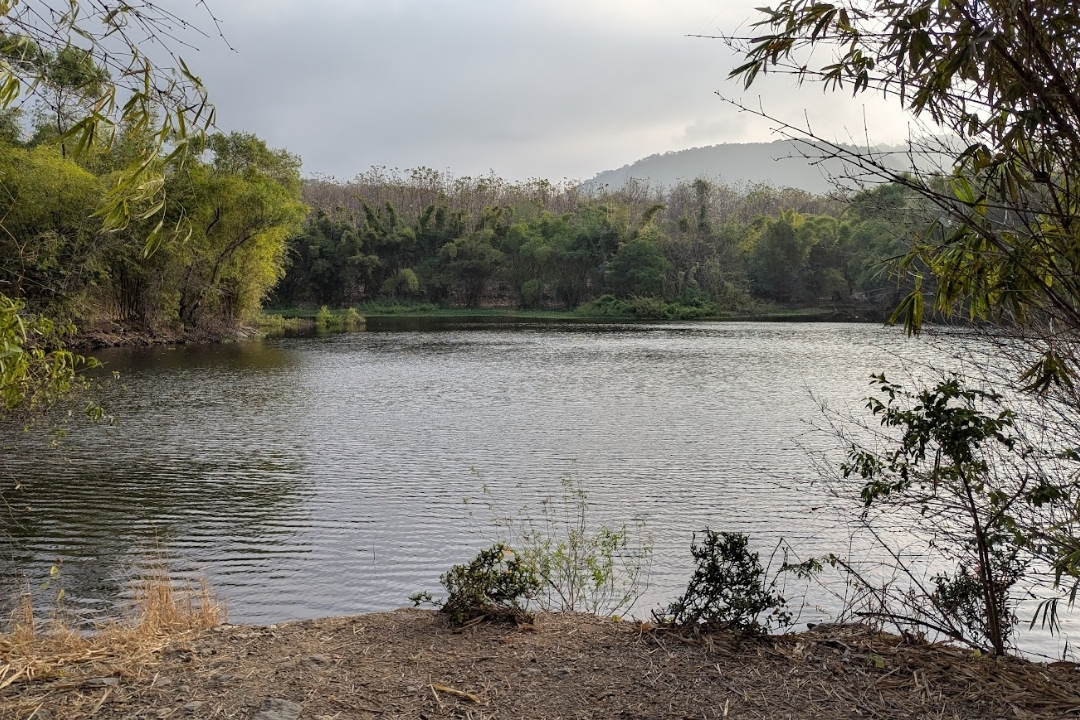
One of the most significant findings was the identification of major geographic gaps in information. Most studies are concentrated in urban and highly populated areas, while strategic ecosystems such as groundwater, lagoons, estuaries, and large areas of the Amazon remain understudied. This situation limits a comprehensive understanding of the problem and hinders decision-making based on scientific evidence.

The analysis also revealed that many countries in the region still lack specific regulations for numerous emerging contaminants, even though some of these compounds have been linked in international studies to adverse effects on aquatic organisms and potential environmental risks.
Beyond identifying which substances are present in the water, this study offers a regional perspective on the challenges Latin America faces in monitoring and managing emerging contaminants. The authors highlight the need to strengthen environmental monitoring programs, expand the geographic coverage of studies, and promote the development of more efficient technologies for removing these compounds.
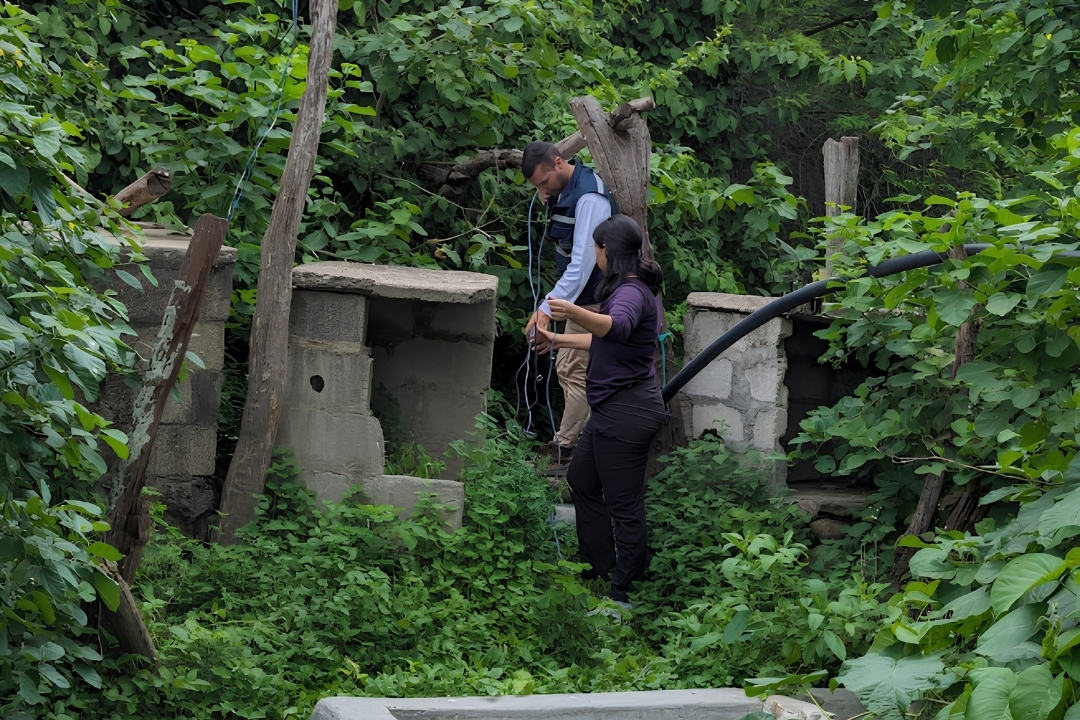
This research helps to build a knowledge base that will enable the protection of water resources, strengthen environmental management, and support decision-making aimed at ensuring the sustainability of the region’s aquatic ecosystems.
Participating Researchers
FICT – ESPOL
Johanna Zambrano A.
Selene A. Merejildo-Matías
Cindy S. Goyburo-Chávez
Priscila E. Valverde-Armas
Tomas Vitvar
AUTHORS - International
Atomic Energy Agency (IAEA) (Austria)
Yuliya Vystavna
DOI: https://doi.org/10.1016/j.hazadv.2026.101226