

The SPE-ESPOL Student Chapter held an internal competition to select the team of students who will represent the Escuela Superior Politécnica del Litoral (ESPOL) at Petrotest 2026, a national competition that brings together the Student Chapters of the Society of Petroleum Engineers (SPE) from universities across Ecuador. The event took place in person on August 31 at the Faculty of Geosciences Engineering (FICT).
The purpose of the competition was to assess the students’ knowledge and preparation in the main areas of petroleum engineering, as part of the selection process for the team that will represent ESPOL in this competition. To ensure an experience aligned with the conditions of the national event, the activity was conducted under rules, protocols, and a format similar to those established for SPE competitions.
The evaluation was conducted by a panel of judges consisting of three professors from ESPOL’s Petroleum Engineering program: Danilo Arcentales, Ph.D.; Kenny Escobar, Mgtr., associate dean of the FICT; and Andrés Guzmán, M.Sc., Faculty Advisor for the SPE-ESPOL Student Chapter. Their participation ensured that the teams were monitored and evaluated throughout the various stages of the event.
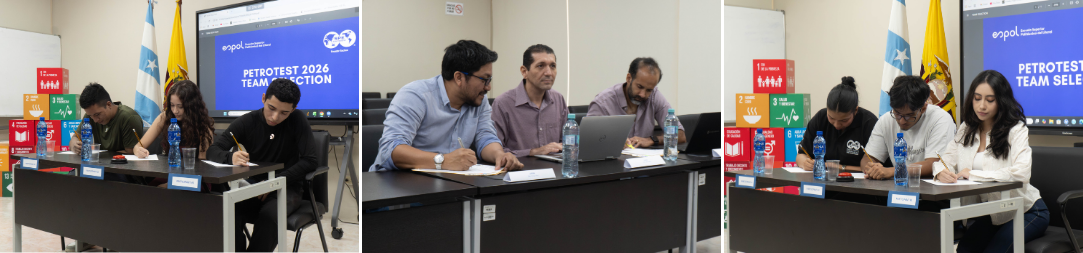
As part of the contest’s organization, a computer application was developed specifically for the competition, which allowed for the real-time management and tabulation of the participants’ scores. This tool helped replicate the dynamics of the Petrotest and strengthened the technological component of the event.
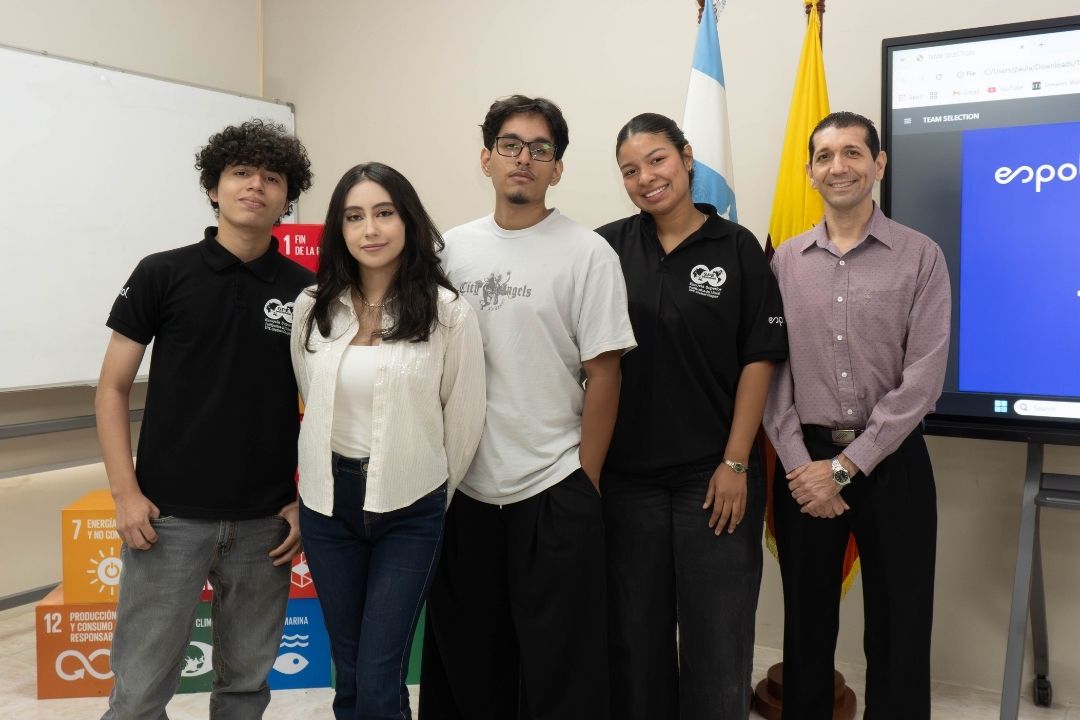
After completing the evaluation process, a team of four students was selected: Sebastián Chiquito, Diana Noboa, Paula Rojas, and Josué Intriago, who will be responsible for representing ESPOL at Petrotest 2026, scheduled for November.
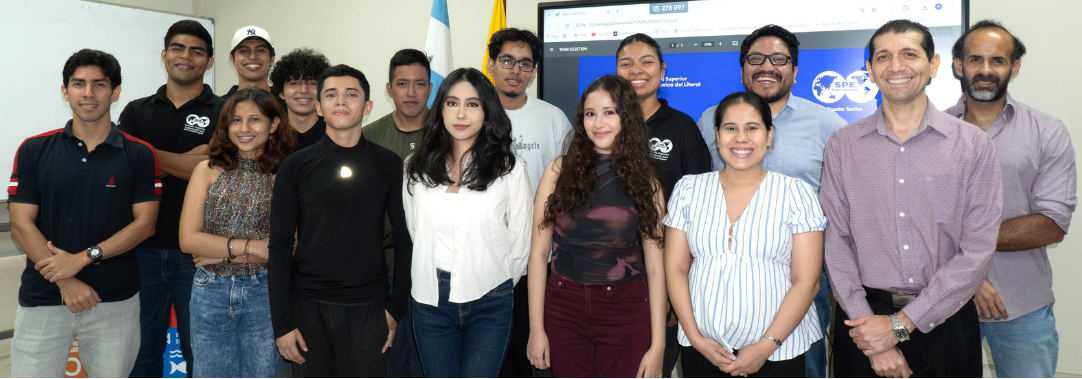
This internal competition is an initiative that helps strengthen students’ academic and technical training by giving them the opportunity to test their knowledge in a competitive setting. It also promotes ESPOL’s participation in academic exchange programs and fosters connections between students and student chapters at Ecuadorian universities involved in petroleum-related education.
Sustainable Development Goals (SDGs)
SDG 4 – Quality Education. This activity helps strengthen students’ knowledge, technical skills, and abilities through a competitive academic experience.
SDG 17 – Partnerships for the Goals. It also promotes interaction and cooperation among student chapters and universities across the country.