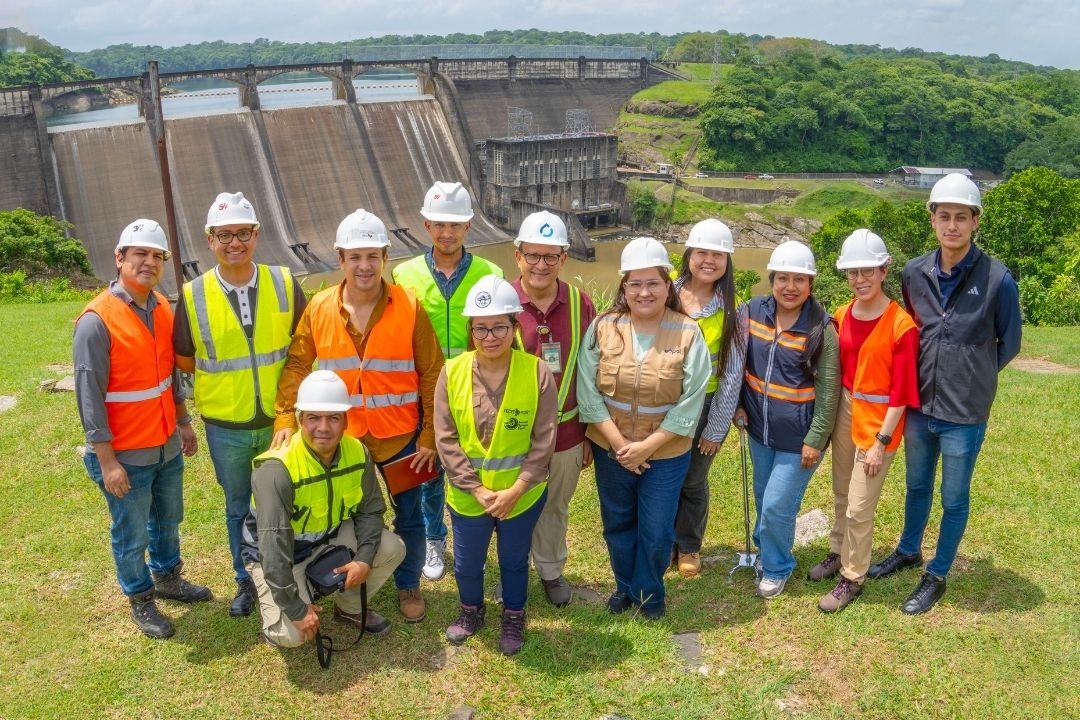


How is Central America’s largest water treatment plant managed? How can scientific findings move beyond the laboratory and become public policies capable of helping to solve real societal challenges?
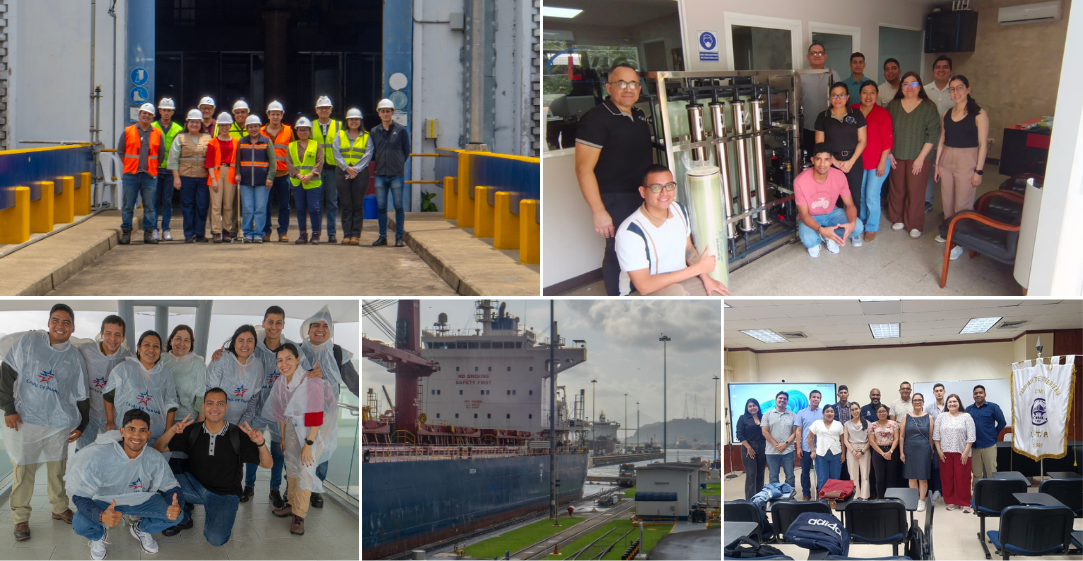
These were some of the experiences shared by students in the Master’s in Civil Engineering program at ESPOL’s Graduate School during an international technical visit organized in collaboration with the Ecology, Geochemistry, and Sustainability Research Group at the Faculty of Civil Engineering of the Technological University of Panama (UTP). The activity was organized by Priscila Valverde, Ph.D., Academic Coordinator of the master’s program; Ana González Valoys, Ph.D., Research Professor; and Ariel Grey, Ph.D., Associate Dean of Research, Graduate Studies, and Extension—all from the School of Civil Engineering at UTP.
During the academic conference, master’s students participated in technical and research presentations that promoted the exchange of knowledge and provided insight into academic initiatives that have influenced public policy. Among these was a presentation on an initiative to repurpose end-of-life tires by incorporating them into asphalt mixtures. This policy mandates the inclusion of 10% tire waste in asphalt mixtures, with a 15-year plan aimed at significantly reducing the accumulation and final disposal of such waste. Additionally, they attended a BIM lecture incorporating robotics, delivered by Oscar Wong, Ph.D., which promoted the principles of the circular economy, sustainability, and innovation.
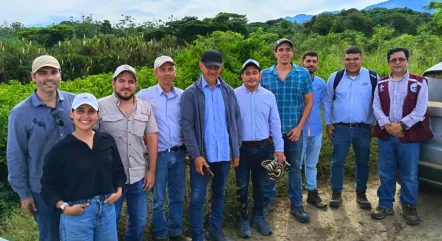
The students visited the Federico Guardia Conte Water Treatment Plant of the National Institute of Aqueducts and Sewers (IDAAN)—the largest in Central America and responsible for supplying drinking water to more than 1.5 million residents—where they gained firsthand knowledge of water treatment processes, the operation of water infrastructure, and water resource management—a guided tour led by Engineer Javier Sánchez, Ph.D.
The agenda also included an academic visit to the Miraflores Visitor Center at the Panama Canal, which provided insight into the management, planning, and operation of one of the world’s most iconic infrastructure projects and a key component of global trade.
These experiences enhance the master’s students’ education in water resources management, sustainable infrastructure, and the application of scientific knowledge, and reflect the master’s program’s commitment to internationalization, academic cooperation, and the adoption of best engineering practices.
Sustainable Development Goals (SDGs)
SDG 4: Quality Education
SDG 6: Clean Water and Sanitation
SDG 9: Industry, Innovation, and Infrastructure
SDG 17: Partnerships for the Goals.