

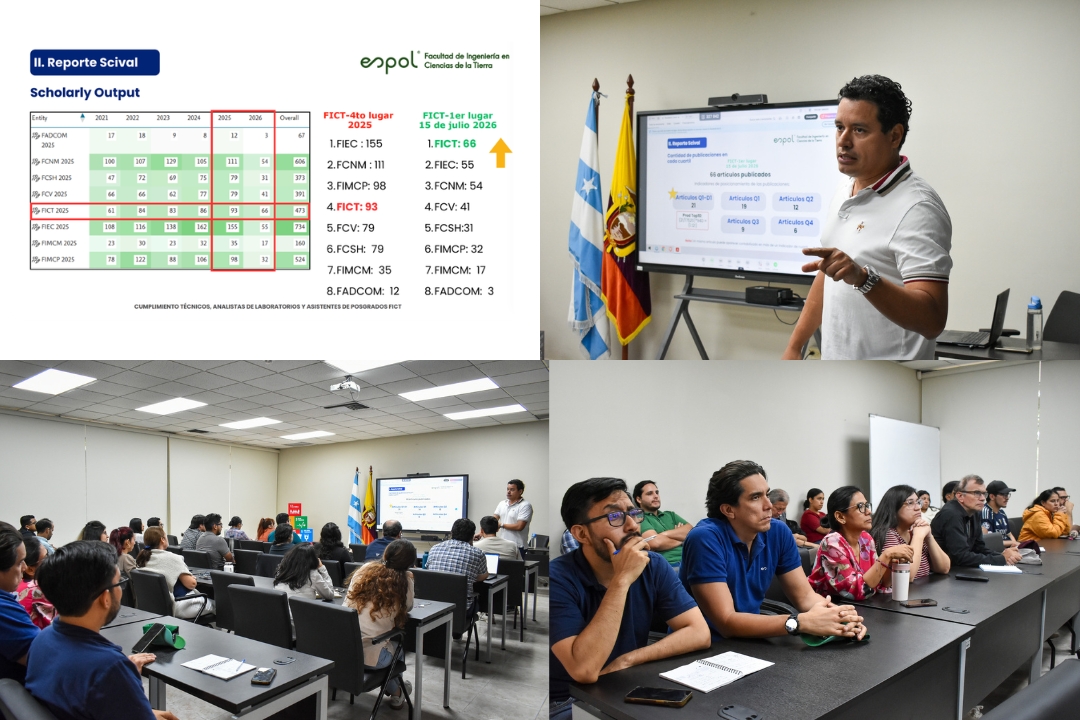
Al corte de julio de 2026, la FICT alcanzó el primer lugar en producción científica (Scholarly Output) dentro de la ESPOL, con 66 artículos publicados. Entre estos resultados destacan 21 artículos publicados en categoría Q1-D1 y 19 artículos en categoría Q1, indicadores que evidencian la presencia de investigaciones difundidas en revistas científicas de alto impacto.
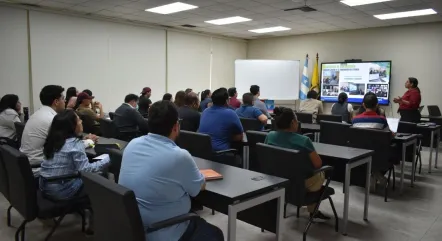
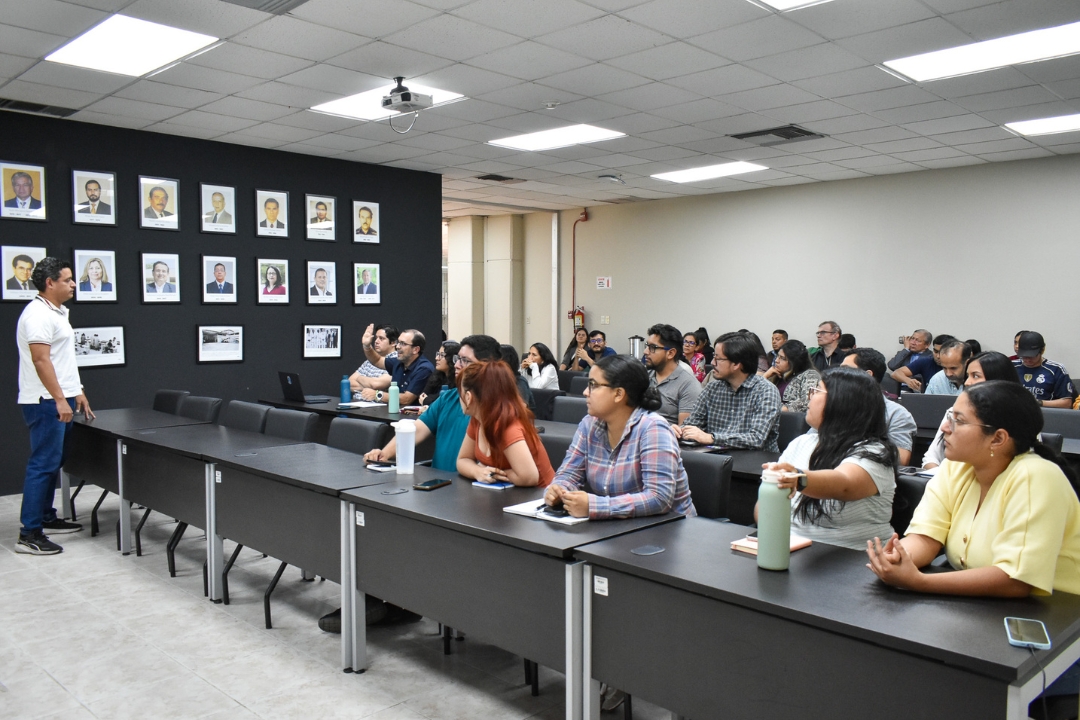
The Faculty of Geosciences Engineering (FICT) presented its researchers’ compliance with research metrics as of July 2026 during a session held on July 22 in the school’s conference room. The purpose of the event was to analyze the results of the Scival report on academic output and citation-weighted impact (FWCI) as a basis for defining strategies aimed at strengthening the quality, visibility, and impact of the academic unit’s scientific output.
The presentation was led by Mijail Arias, Ph.D., FICT’s Research Coordinator, who outlined the key indicators achieved by the faculty. The analysis provided an opportunity to review the research performance of professors, researchers, technical staff, and analysts, and to generate input for planning actions that will contribute to strengthening scientific research and the institution’s profile.
As of July 2026, FICT ranked first in scholarly output within ESPOL, with 66 published articles. Notable among these results are 21 articles published in the Q1-D1 category and 19 articles in the Q1 category—indicators that demonstrate the presence of research published in high-impact scientific journals.
These results help strengthen FICT’s research capabilities and contribute to ESPOL’s institutional standing in the generation and dissemination of scientific knowledge. Furthermore, the ongoing analysis of research metrics makes it possible to identify opportunities for improvement and to promote academic collaboration and the development of strategies that enhance the visibility and impact of scientific output.
Sustainable Development Goals (SDGs)
SDG 4: Quality Education, by promoting educational experiences that bridge the gap between high school students and higher education and strengthen career guidance.
SDG 9: Industry, Innovation, and Infrastructure, through the dissemination of scientific and technological knowledge related to engineering fields that contribute to the country’s development.
SDG 17: Partnerships for the Goals, by fostering collaboration among educational institutions to create learning opportunities for young people.