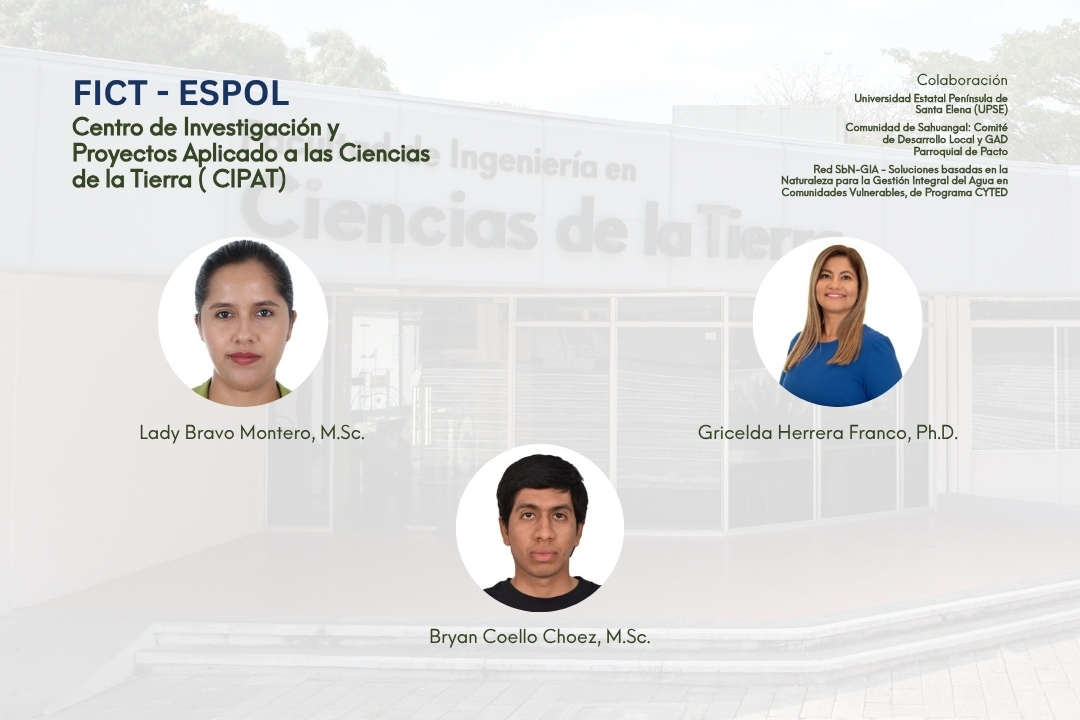
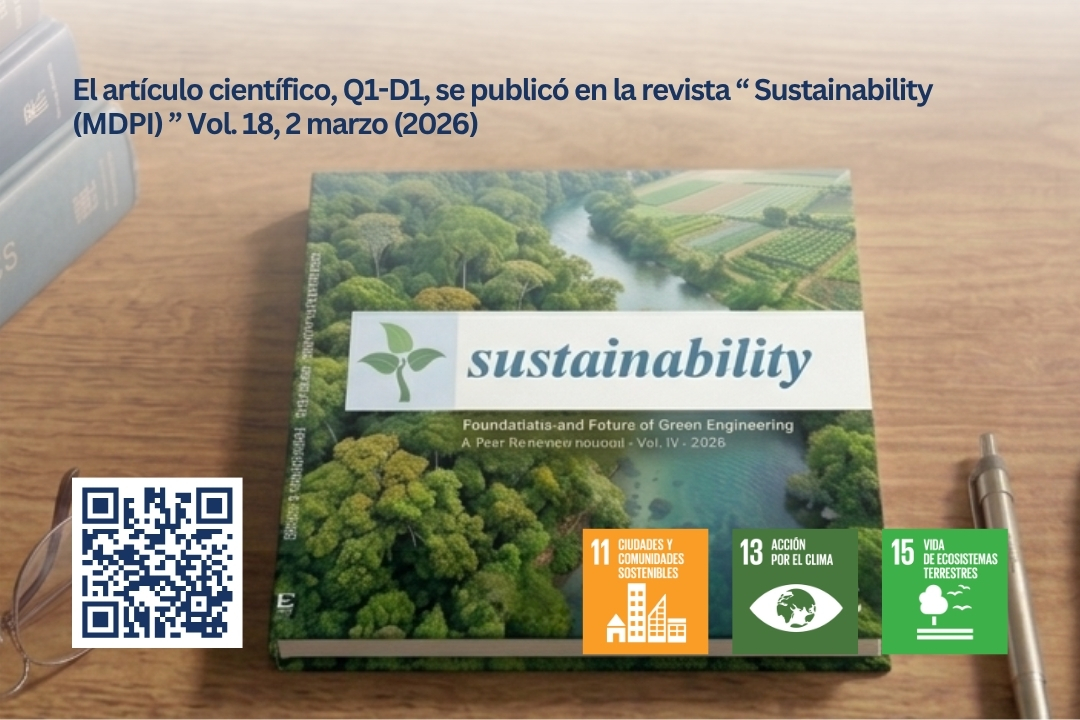
The Escuela Superior Politécnica del Litoral (ESPOL), through the Center for Research and Applied Projects in Geosciences (CIPAT) and the Faculty of Geosciences Engineering (FICT), contributed to the publication of a scientific article in the journal *Sustainability* (MDPI), which is ranked in the Q1–D1 quartile (SJR). The study, conducted in collaboration with the Santa Elena Peninsula State University, presents a pilot solid waste management plan with a sustainability focus in the rural community of Sahuangal, in the province of Pichincha.
The research was led by Lady Bravo Montero, M.Sc., a CIPAT researcher and FICT professor, alongside Gricelda Herrera Franco, Ph.D., and Bryan Coello Choez, M.Sc. The work was carried out in an area of high ecological sensitivity due to its proximity to the Andean Chocó, an ecosystem recognized as a UNESCO Biosphere Reserve. This context highlights the importance of implementing solutions that reduce the environmental pressure generated by human activities.
Among the key findings, the study identified that 75.8% of the waste generated in the community consists of organic matter. This finding led to the proposal of a local composting and recycling system which, according to the financial analysis conducted, could achieve a 104% return on investment over a 36-month period. The proposal offers a technical and economic alternative to the limitations of municipal waste collection in rural areas, contributing to the protection of the natural environment.
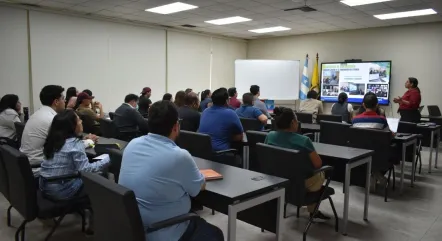
The initiative directly benefits the community of Sahuangal by offering a sustainable solution for waste management and strengthens the generation of applied knowledge from academia. It also promotes collaboration among higher education institutions, local stakeholders, and parish governments, contributing to the development of models that can be replicated in other regions of the country.
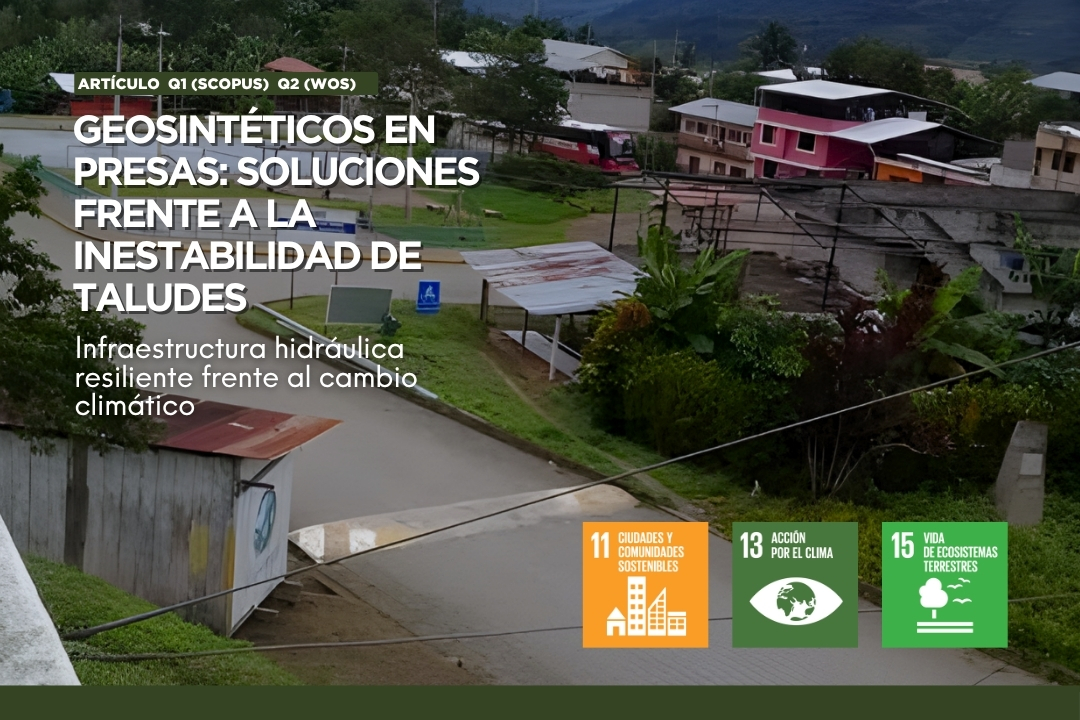
Sustainable Development Goals
ODS 11: Ciudades y comunidades sostenibles
ODS 13: Acción por el Clima
ODS 15: Vida de ecosistemas terrestres