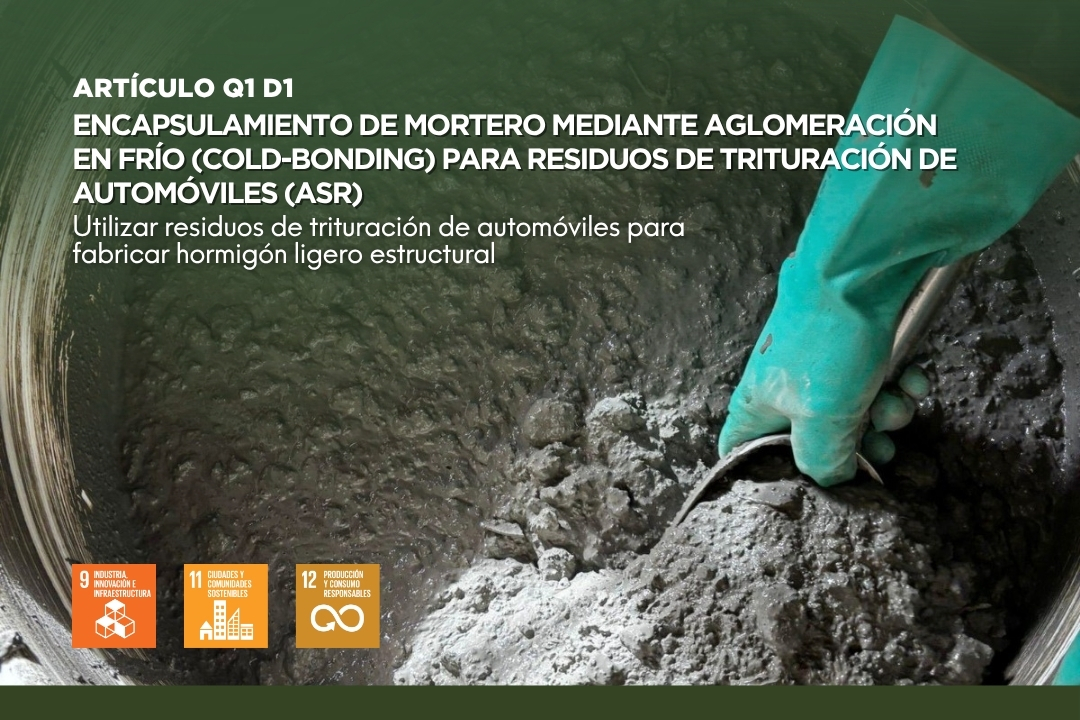

Research conducted by the Escuela Superior Politécnica del Litoral (ESPOL) and the Universitat Politècnica de Catalunya (UPC) continues to provide innovative solutions for sustainable construction. The scientific article “Analytically Designed Cold-Bonding Encapsulation of Automotive Shredder Residues for Structural Lightweight Aggregates,” published on June 25, 2026, in a high-impact Q1/D1 scientific journal, presents an alternative for transforming automotive shredder residues into lightweight aggregates suitable for the manufacture of structural concrete.
The study was conducted by Manuel García-Laborda, Dr. David Valverde-Burneo—a professor and researcher at ESPOL’s Faculty of Geosciences Engineering (FICT)—José Luis Hermida, Dr. Antonio Aguado, and Dr. Ignacio Segura, researchers at the Polytechnic University of Catalonia. The collaboration between the two institutions strengthens international research and highlights the value of working together to address environmental challenges through solutions based on science and innovation.
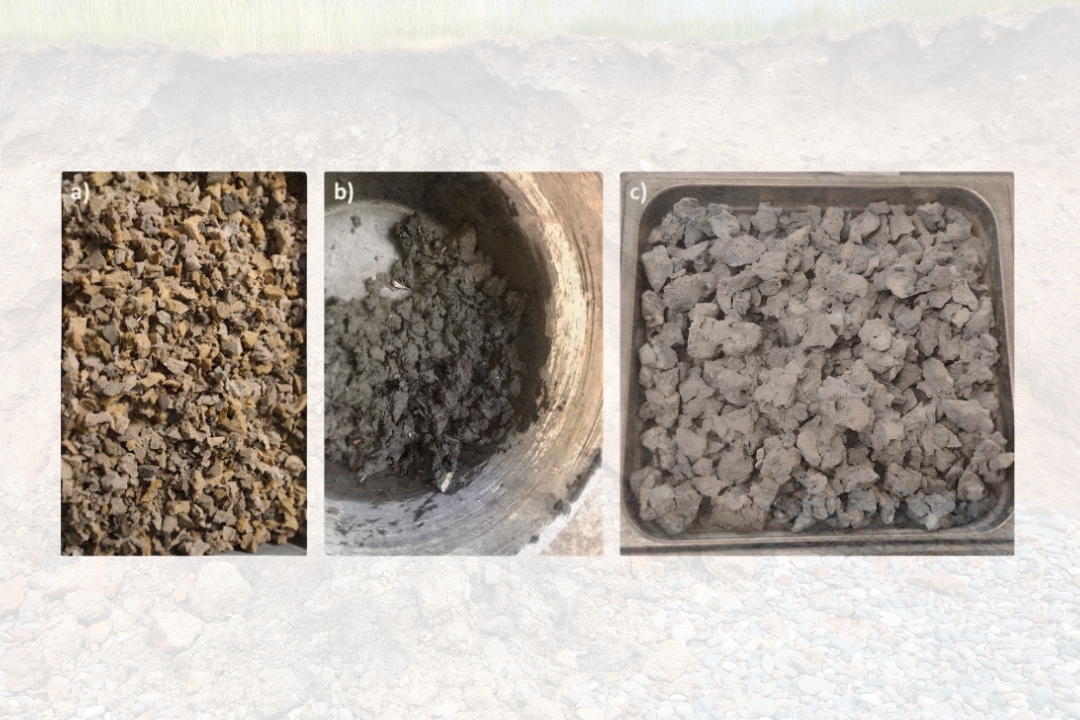
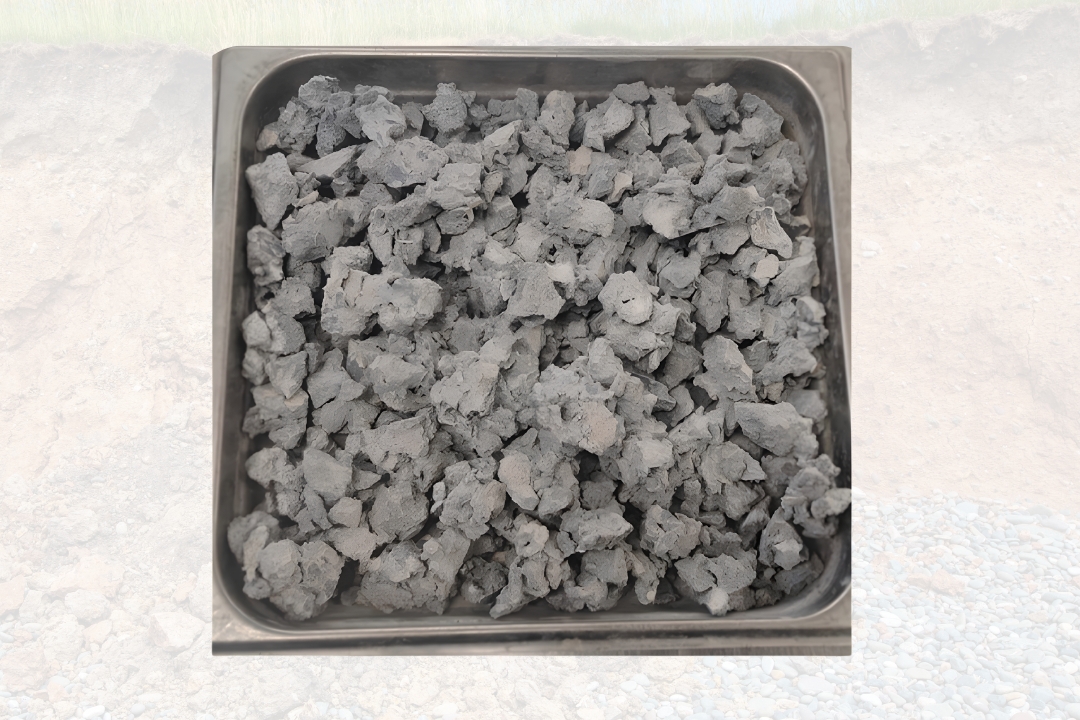
The objective of this research was to develop and evaluate an analytical method for encapsulating automotive shredder residue (ASR) using cold-bonding, with the aim of converting this material into lightweight artificial aggregates suitable for use in structural concrete. This process makes it possible to utilize complex waste from end-of-life vehicles—which is traditionally sent to landfills—by transforming it into a high-value resource for the construction industry.
The results demonstrated that the aggregates obtained through this process can be integrated into cementitious matrices without compromising the mechanical properties required for lightweight structural concrete. In addition to expanding the technological alternatives for the design of eco-efficient materials, the research contributes to reducing the extraction of natural aggregates and promotes the recovery of industrial waste in accordance with the principles of the circular economy.
Publication in a Q1/D1 journal reflects the scientific quality and international impact of the work carried out by researchers at ESPOL and UPC. This achievement strengthens the FICT’s presence in international research networks and reaffirms the Faculty’s commitment to developing technologies that contribute to a more sustainable, resilient, and environmentally friendly infrastructure.
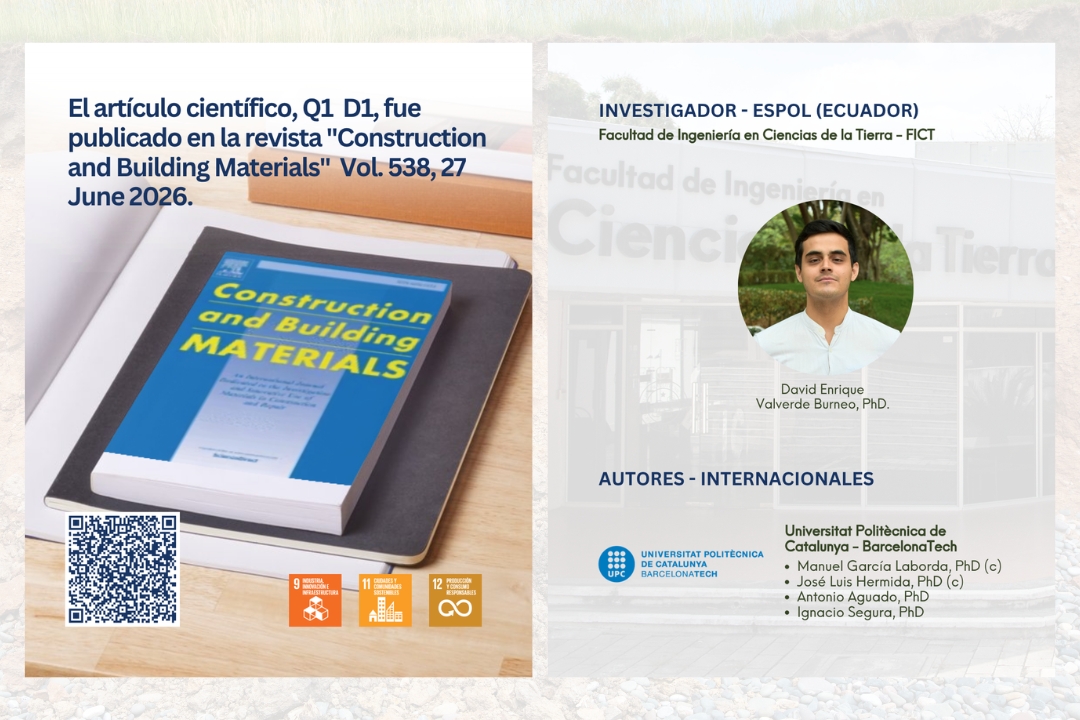
Researcher FICT - ESPOL
Faculty of Geosciences Engineering
David Enrique Valverd, Ph. D
Authors - International
Universitat Politècnica de Catalunya - BarcelonaTech
Manuel García-Laborda – Universitat Politècnica de Catalunya (UPC)
José Luis Hermida – Universitat Politècnica de Catalunya (UPC)
Dr. Antonio Aguado – Universitat Politècnica de Catalunya (UPC)
Dr. Ignacio Segura – Universitat Politècnica de Catalunya (UPC)
DOI: https://doi.org/10.1016/j.conbuildmat.2026.147242
Sustainable Development Goals
SDG 9: Industry, Innovation, and Infrastructure
SDG 11: Sustainable Cities and Communities
SDG 12: Responsible Consumption and Production