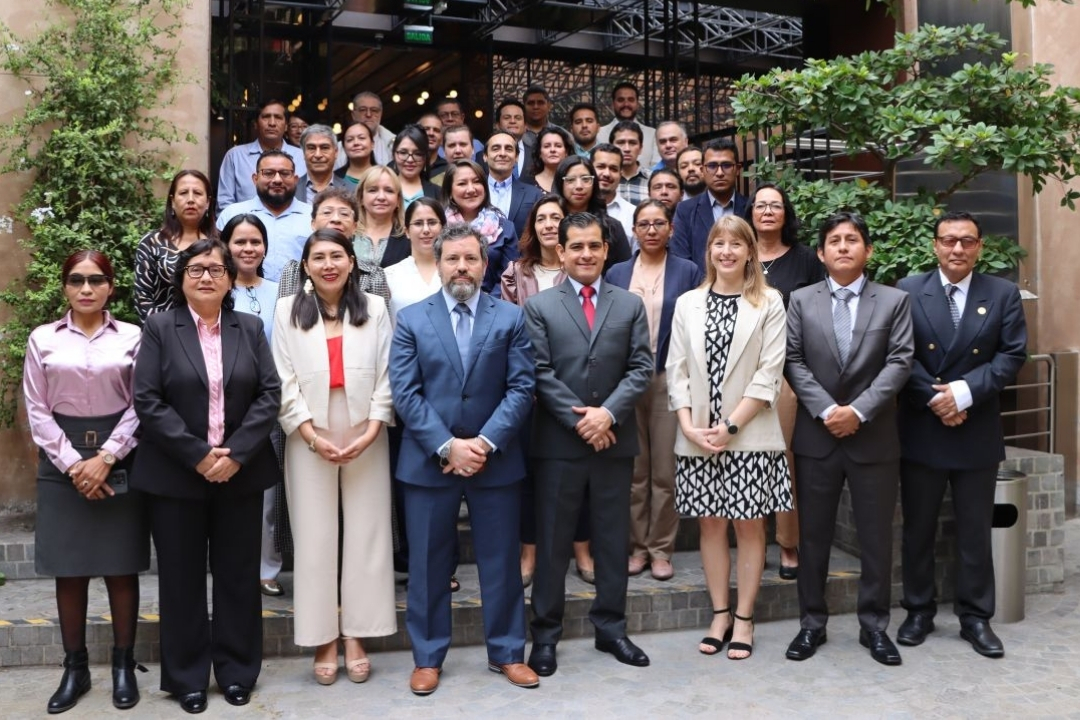

The second regional coordination meeting of Project RLA 7029 was held in Lima, Peru, organized by the International Atomic Energy Agency (IAEA) in collaboration with the Peruvian Institute of Nuclear Energy (IPEN). This meeting brought together specialists from Latin America and the Caribbean with the aim of strengthening the use of isotope hydrology tools for sustainable water management in the region.
Ecuador played a prominent role through representatives from the Ministry of Environment and Energy of Ecuador and researchers from the Escuela Superior Politécnica del Litoral (ESPOL), who contributed their expertise in the study of water resources, pollution, and the application of isotopic techniques.
Within the framework of the project, the counterpart in Ecuador is Daniel Garcés León, PhD (c), and researchers Johanna Zambrano A., M.Sc., and Karla Villamar M., M.Sc., from the Faculty of Geosciences Engineering at ESPOL also participated, contributing through applied research and technical analysis on issues related to water resources. During their visit to Lima, they also had the opportunity to attend the Regional Water Forum organized by the Andean Community, a key platform for exchanging experiences and strengthening cooperation in water resource management in the region.
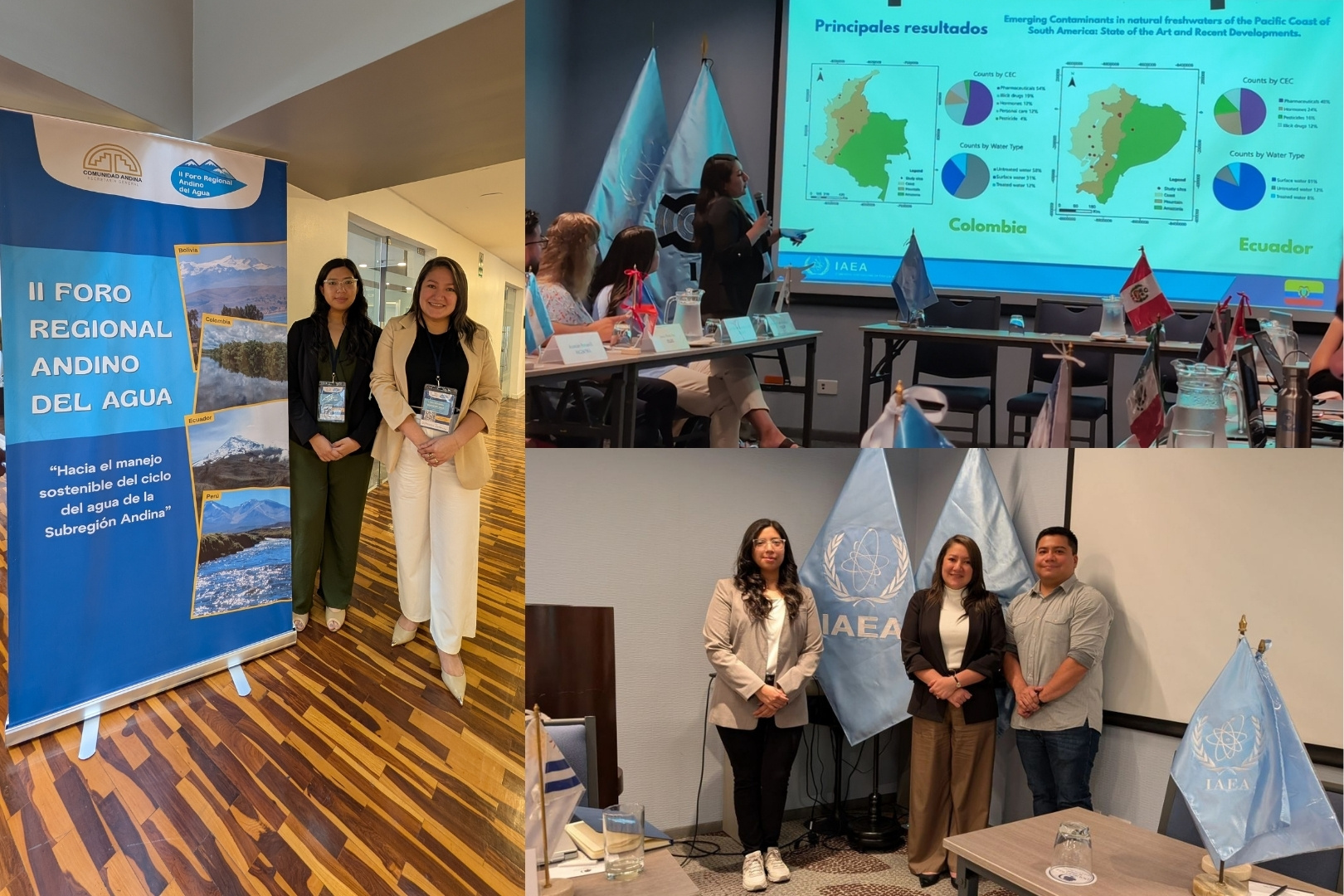
During the event, participants reviewed the project’s progress, shared experiences among participating countries, and identified common challenges in assessing water availability and quality. They also established action plans for the 2026–2027 period, promoting regional cooperation and strengthening technical capacities.
Ecuador’s participation reaffirms the country’s commitment to strengthening scientific research applied to water resources, as well as to forging strategic partnerships that contribute to more efficient and sustainable water management.
These types of initiatives, promoted by the IAEA and implemented in coordination with institutions such as IPEN, represent a key opportunity to integrate knowledge, share best practices, and advance toward science-based solutions to the region’s water challenges.
Sustainable Development Goals:
- SDG 6: Clean Water and Sanitation
- SDG 17: Partnerships for the Goals