Es una necesidad y en muchos casos, una urgencia, así avanza la investigación doctoral de la Ing. Joselyne Solórzano, Ph.D. (c), un proceso que pone el foco en un elemento clave: la vulnerabilidad de los acuíferos costeros.
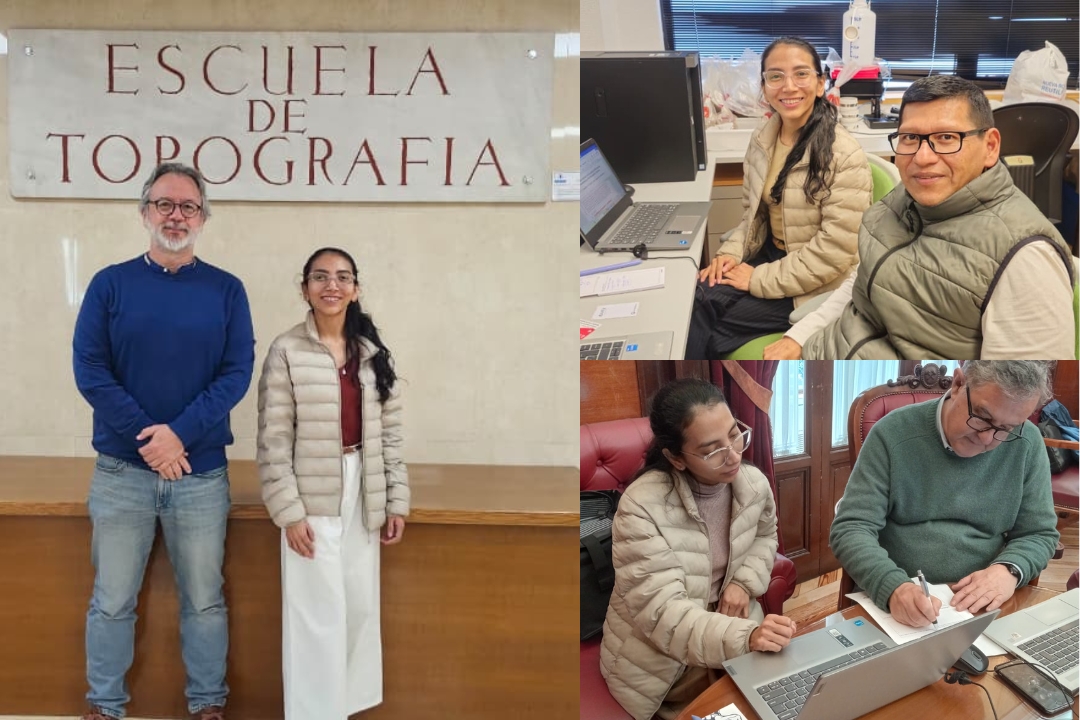
Desde la Escuela Técnica Superior de Ingenieros de Minas y Energía (ESTIME) de la Universidad Politécnica de Madrid, se desarrolló una nueva jornada de revisión de avances.
El estudio se centra en el acuífero costero de Olón, un sistema hidrogeológico expuesto a presiones ambientales y actividades humanas que demandan una comprensión más profunda y técnica.
La pregunta es clara:
¿Qué tan vulnerable es este sistema y cómo puede gestionarse de forma sostenible?
Durante la jornada, se revisó el borrador del primer artículo científico, abordando:
enfoques metodológicos
interpretación de resultados
aportes técnicos del estudio
Más que revisar un documento, el objetivo fue fortalecer la calidad científica y consolidar criterios que permitan avanzar con solidez.
El proceso contó con el acompañamiento del Prof. Francisco Javier Elorza, director de la ESTIME y director de tesis, y del Ing. Javier Montalván, Ph.D., codirector de tesis, quienes junto a la investigadora definieron las líneas de trabajo para el segundo año y el desarrollo del siguiente artículo científico.
Aporta a la comprensión de sistemas hídricos vulnerables y a la toma de decisiones en contextos donde el agua es un recurso estratégico.
It is a necessity and, in many cases, an urgent matter—this is the premise of the doctoral research being conducted by Joselyne Solórzano, Ph.D. (c), a study that focuses on a key issue: the vulnerability of coastal aquifers.
The Higher Technical School of Mining and Energy Engineering (ESTIME) at the Polytechnic University of Madrid hosted a new workshop to review progress.
The study focuses on the Olón coastal aquifer, a hydrogeological system exposed to environmental pressures and human activities that require a deeper and more technical understanding.
The question is clear:
How vulnerable is this system, and how can it be managed sustainably?
During the session, the draft of the first scientific article was reviewed, addressing:
methodological approaches
interpretation of results
technical contributions of the study
More than just reviewing a document, the objective was to strengthen scientific quality and consolidate criteria that allow for solid progress.
The process was supported by Prof. Francisco Javier Elorza, director of ESTIME and thesis advisor, and Eng. Javier Montalván, Ph.D., co-thesis advisor, who, together with the researcher, defined the lines of work for the second year and the development of the next scientific article.
It contributes to the understanding of vulnerable water systems and to decision-making in contexts where water is a strategic resource.
Studying the subsurface means understanding the future.
It’s science with real-world impact.
Sustainable Development Goals (SDGs)
SDG 6: Clean Water and Sanitation
SDG 13: Climate Action
SDG 14: Life Below Water