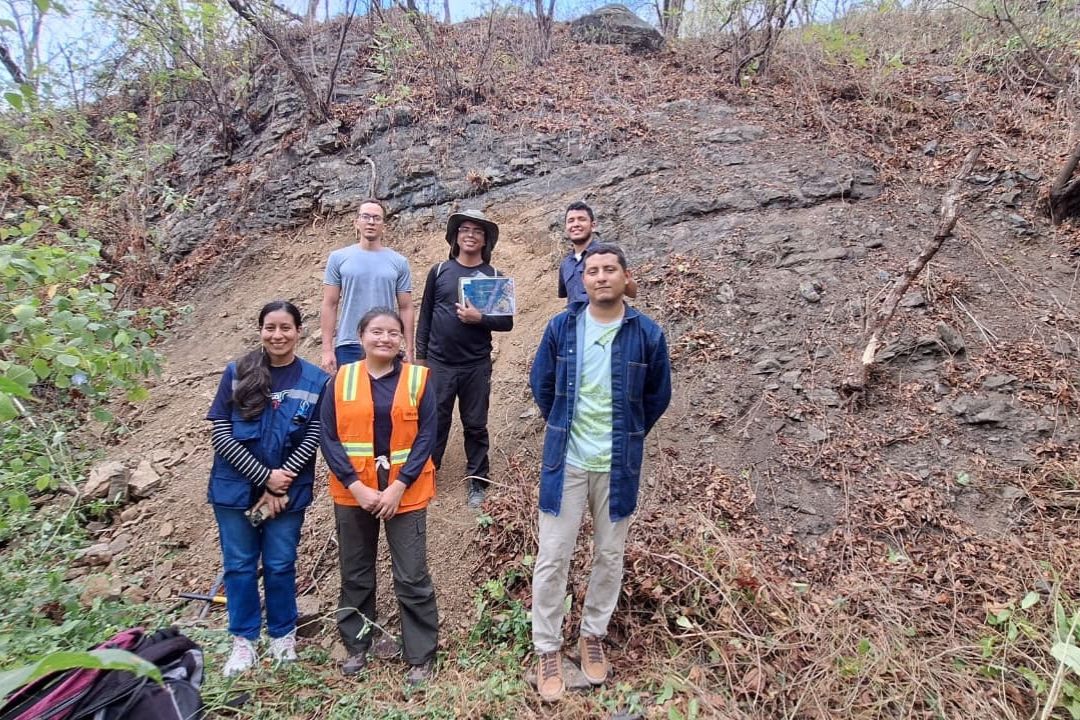


On September 10, 2026, the Escuela Superior Politécnica del Litoral (ESPOL) conducted a technical field trip to explore evidence of the Cretaceous–Paleogene (K–Pg) boundary in the vicinity of the Gustavo Galindo Campus. The activity provided an initial opportunity to analyze an outcrop that could help integrate research, teaching, outreach, and the conservation of the institution’s geological heritage.
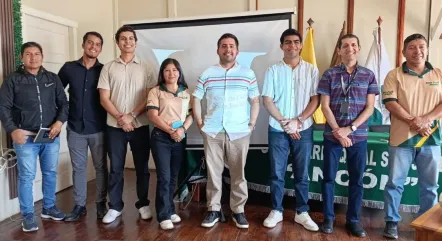
The field trip was organized by Carola Gordillo, M.Sc., Career Promotion Coordinator at FICT; Kevin Loor, M.Sc., Mineralogy Technician; Sebastián Suárez, M.Sc., Hydraulics Technician; Erick Veas, M.Sc., FICT Structural Laboratory Technician; Jabid Martínez, M.Sc., FIMCP Research Technician; along with engineers Alanis Jara and Camila Holguín from the Center for Research and Applied Projects in Earth Sciences (CIPAT). During the activity, the characteristics of the outcrop and the continuity of its strata toward the ESPOL campus were evaluated as a basis for future research on the K–Pg boundary and a potential geosite proposal.
This activity is part of the project “Geohistorical Assessment and Geoeducation Strategies for the Cretaceous–Paleogene (K–Pg) Boundary at the Gustavo Galindo Campus, ESPOL, Guayaquil, Ecuador.” The initiative aims to generate knowledge about this geological record and strengthen its use for educational and scientific outreach purposes.
The study also represents an opportunity to strengthen education in applied sedimentology and stratigraphy through the direct analysis of geological features within the university setting. These opportunities allow for linking research with academic education and bringing knowledge of the Earth sciences closer to the university community.
Continuing this research will allow for a more in-depth characterization of the outcrop and determine whether there is evidence supporting the presence of the K–Pg boundary on the Gustavo Galindo Campus. If its geological significance is confirmed, the results could serve as a foundation for future initiatives in geohistorical assessment and geoeducation within ESPOL.
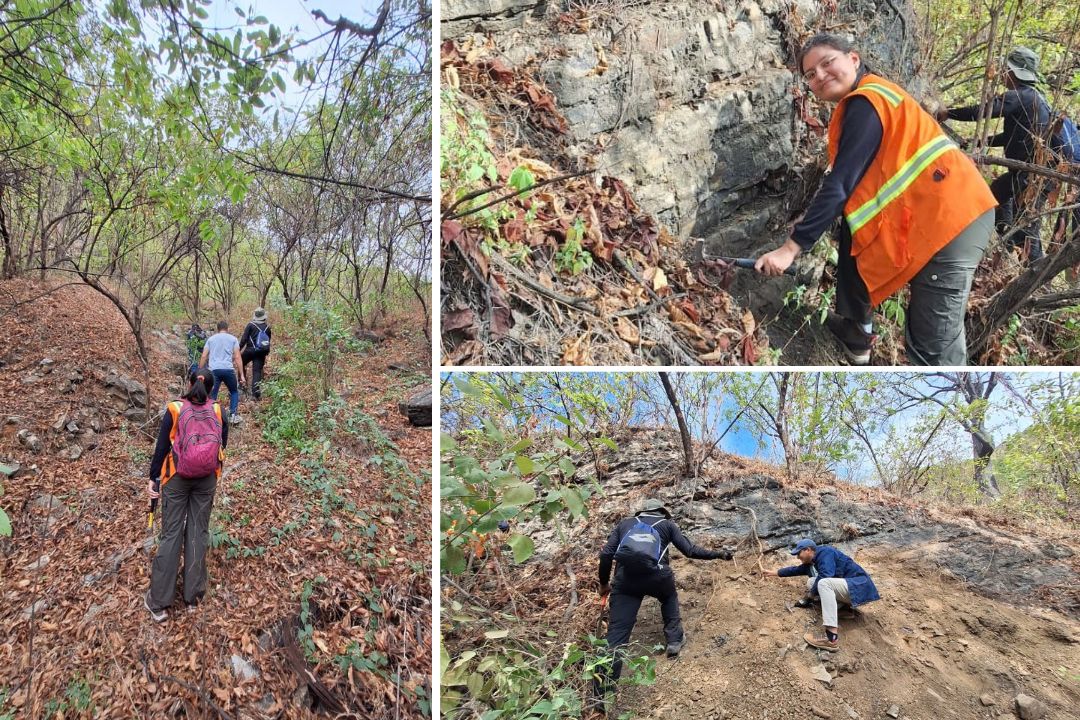
Star of the Field Trip:
- Carola Gordillo, Eng., Ph.D. (c) - FICT Career Promotion Coordinator
- Kevin Loor, Eng., M.Sc. - Mineralogy Technician
- Sebastián Suárez, Eng., M.Sc. - Hydraulics Technician
- Alanis Jara, Eng. – CIPAT Researcher.
- Camila Holguín, Eng. – CIPAT Researcher.
- Erick Veas, Eng. – FICT Structural Laboratory Technician.
- Jabid Martínez, Eng. – FIMCP Research Technician.
Related SDGs
SDG 4: Quality Education. For strengthening practical training in sedimentology, stratigraphy, and Earth sciences, as well as geoeducation strategies.
SDG 9: Industry, Innovation, and Infrastructure. For promoting scientific research and the generation of specialized knowledge in geology.
SDG 15: Life on Land. For promoting the appreciation and conservation of geological heritage as part of understanding and caring for the land.