
Assessing the Hidden Risk Beneath the Amazon
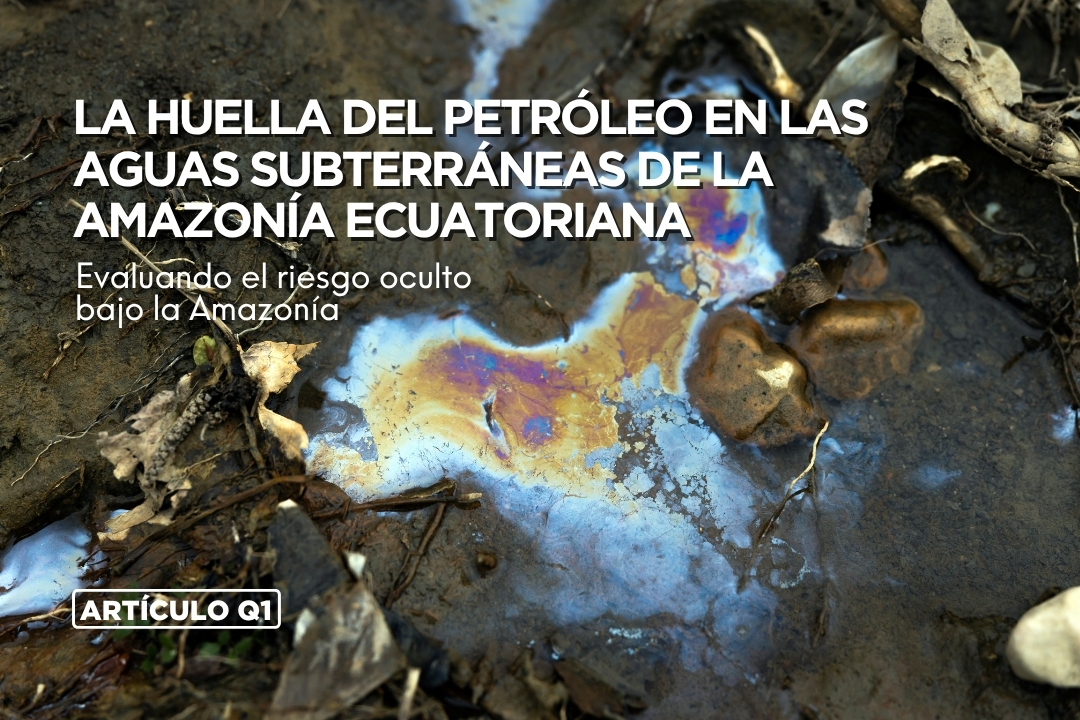
A recent study analyzed groundwater quality in the Ecuadorian Amazon, revealing important information about the presence of total petroleum hydrocarbons (TPH) and their potential implications for human health. The research, published in MDPI’s scientific journal Sustainability, evaluated 161 water samples from domestic wells located in the provinces of Sucumbíos and Orellana, areas where a large portion of the population relies on groundwater for daily consumption.
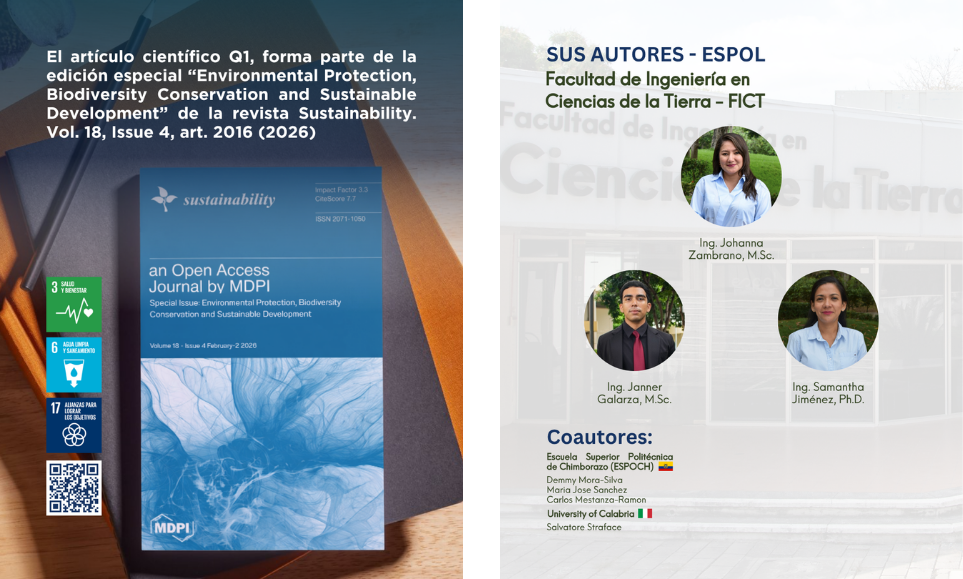
The study was conducted by a team of researchers from the Faculty of Geosciences Engineering (FICT) at the Escuela Superior Politécnica del Litoral (ESPOL), in collaboration with the Escuela Superior Politécnica de Chimborazo (ESPOCH) and the University of Calabria, strengthening international scientific cooperation in the analysis of water quality in the Amazon region.
What do we know about groundwater quality in the Ecuadorian Amazon?
In many Amazonian communities, access to drinking water is primarily through deep wells. This makes groundwater an essential source for human consumption, food preparation, and other daily activities. However, the presence of petroleum-derived compounds may pose a potential risk.
What did the study find?
The results showed that more than 95% of the samples analyzed contained TPH concentrations exceeding the maximum permissible limit of 0.2 mg/L established by Ecuadorian regulations for water intended for human consumption.
In addition to quantifying the presence of hydrocarbons, the study included a risk assessment aimed at estimating the potential implications of prolonged consumption of this water.
Science to Understand and Manage Water
This study provides scientific information on the presence of hydrocarbons in groundwater in the Ecuadorian Amazon, helping to strengthen knowledge about water quality and support future water resource monitoring and management processes in the region.
Participating researchers
FICT – ESPOL
Ing. Johanna Zambrano Anchundia, M.Sc.
Ing. Janner Galarza Alava, M.Sc.
Ing. Samantha Jiménez Oyola, Ph.D.
Escuela Superior Politécnica de Chimborazo (ESPOCH)
Ing. Demmy Mora-Silva, M.Sc.
Ing. Maria Jose Sanchez, M.Sc.
Ing. Carlos Mestanza-Ramon, Ph.D.
University of Calabria
Salvatore Straface, PhD
DOI: 10.3390/su18042016
Sustainable Development Goals (SDGs)
SDG 3 – Good Health and Well-being
SDG 6 – Clean Water and Sanitation
SDG 17 – Partnerships for the Goals