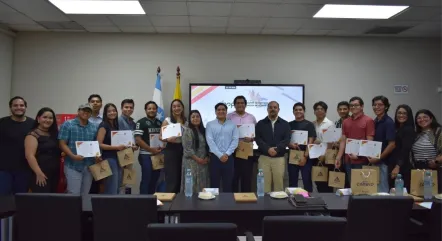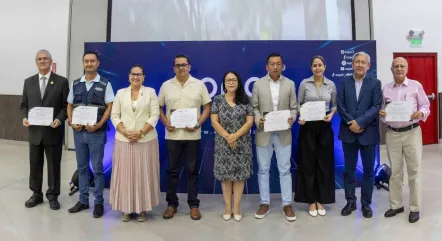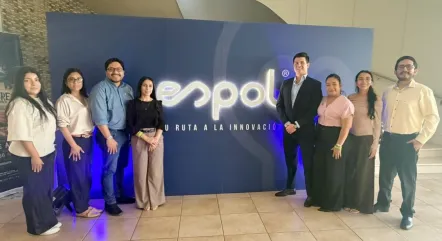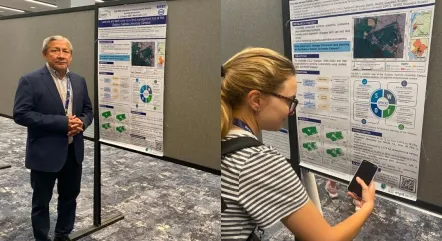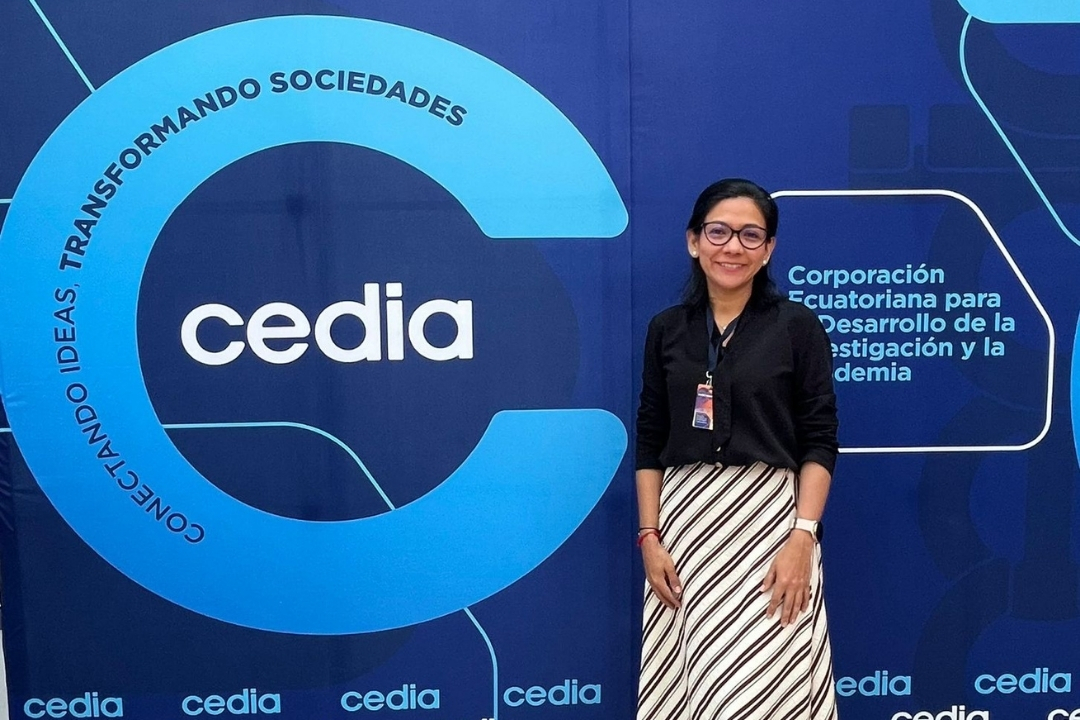


ESPOL’s Faculty of Geosciences Engineering (FICT) participated in CEDIA IGNOVA 2026, one of the most important national events for the analysis and promotion of innovation, science, and technological transformation in Ecuador. Professor and researcher Samantha Jiménez, Ph.D., participated in this event, held on May 27 and 28 at UTE University in Quito, alongside researchers, academics, technology leaders, and representatives from various productive sectors.
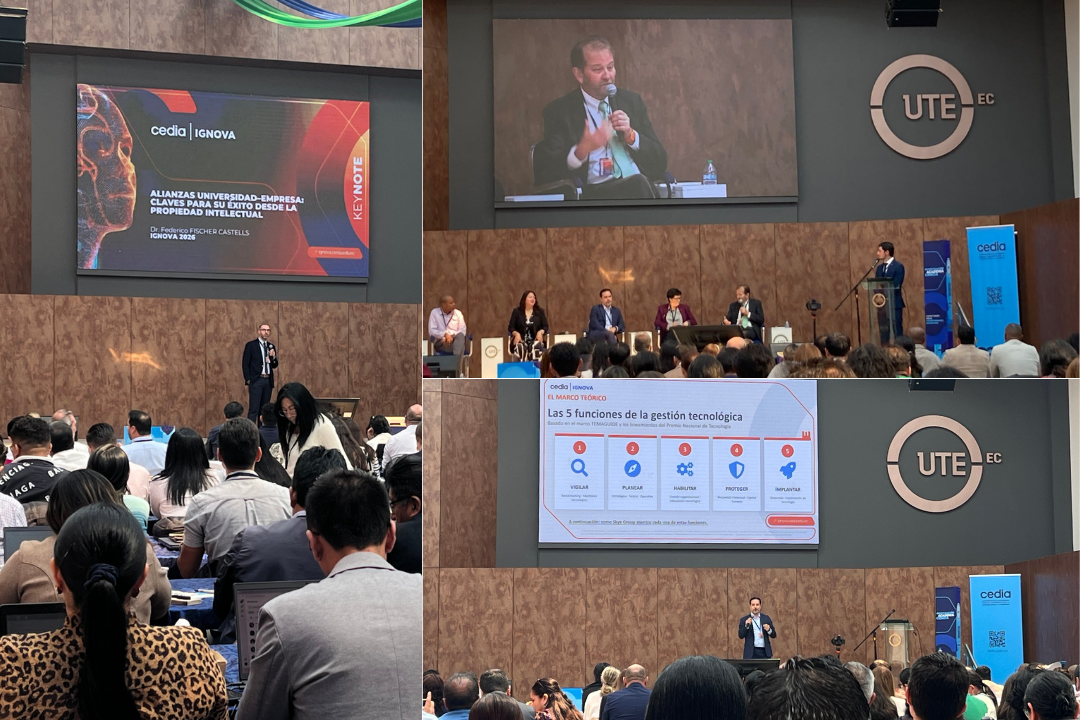
The event, organized by CEDIA, established itself as a platform for exchanging experiences and knowledge regarding the challenges and opportunities the country faces in the area of scientific and technological development. During the conference, topics related to technology transfer, intellectual property, artificial intelligence, and mechanisms to strengthen collaboration between higher education institutions and industry were addressed.
The engineer’s participation provided an opportunity to learn about initiatives, methodologies, and success stories that drive the creation of innovative solutions from academia. Furthermore, these forums foster the development of collaborative networks that contribute to research projects with the potential to impact various areas of society and the economy.
One of the highlights of the event was the discussion on the importance of transforming the knowledge generated at universities into tools, processes, and technologies capable of addressing real-world needs. In this context, the interaction between researchers and representatives from the private sector provided an opportunity to reflect on strategies for strengthening knowledge transfer and promoting greater coordination between scientific research and the practical application of its results.
Through its participation in CEDIA IGNOVA 2026, FICT is strengthening its ties with initiatives focused on knowledge generation and applied research. Furthermore, it reflects ESPOL’s commitment to training professionals prepared to tackle contemporary challenges, as well as to promoting an academic culture that contributes to Ecuador’s scientific, technological, and productive development.
Sustainable Development Goals (SDGs)
SDG 4: Quality Education
SDG 9: Industry, Innovation, and Infrastructure
SDG 17: Partnerships for the Goals