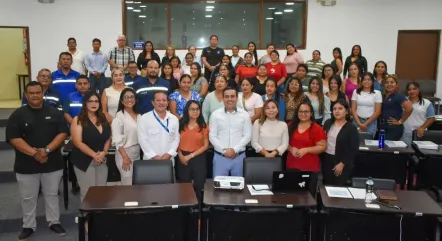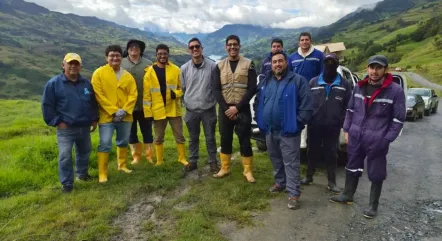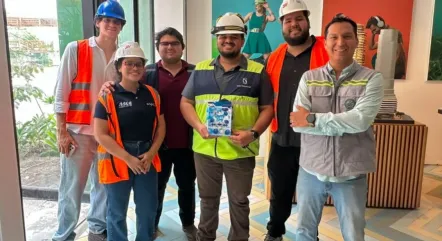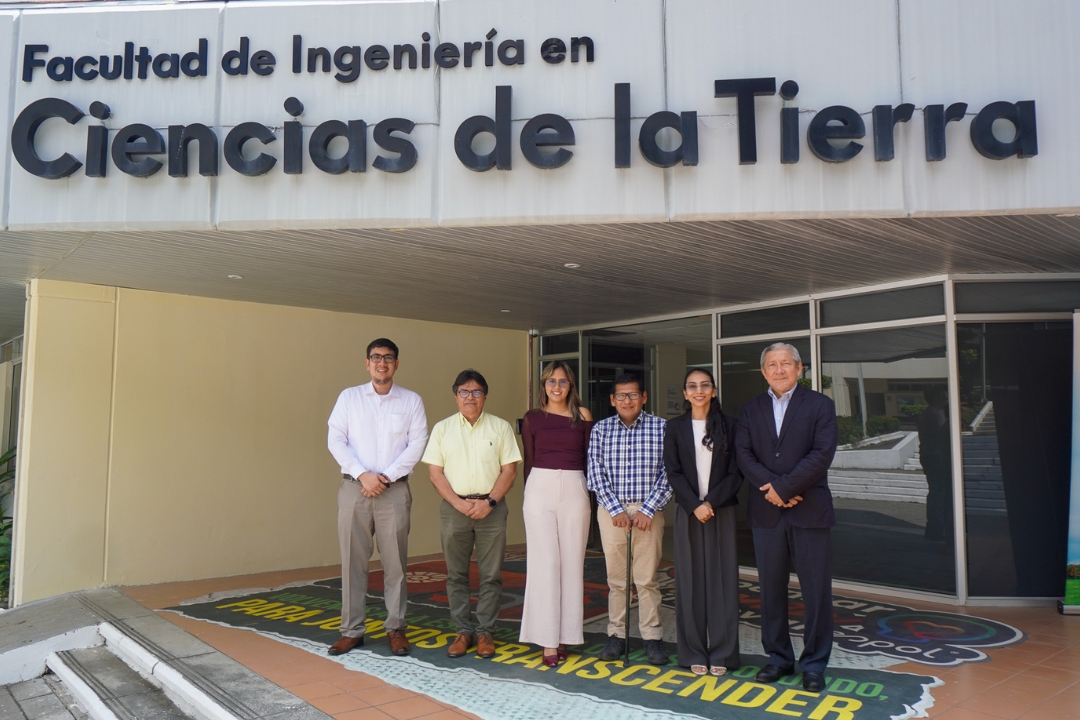

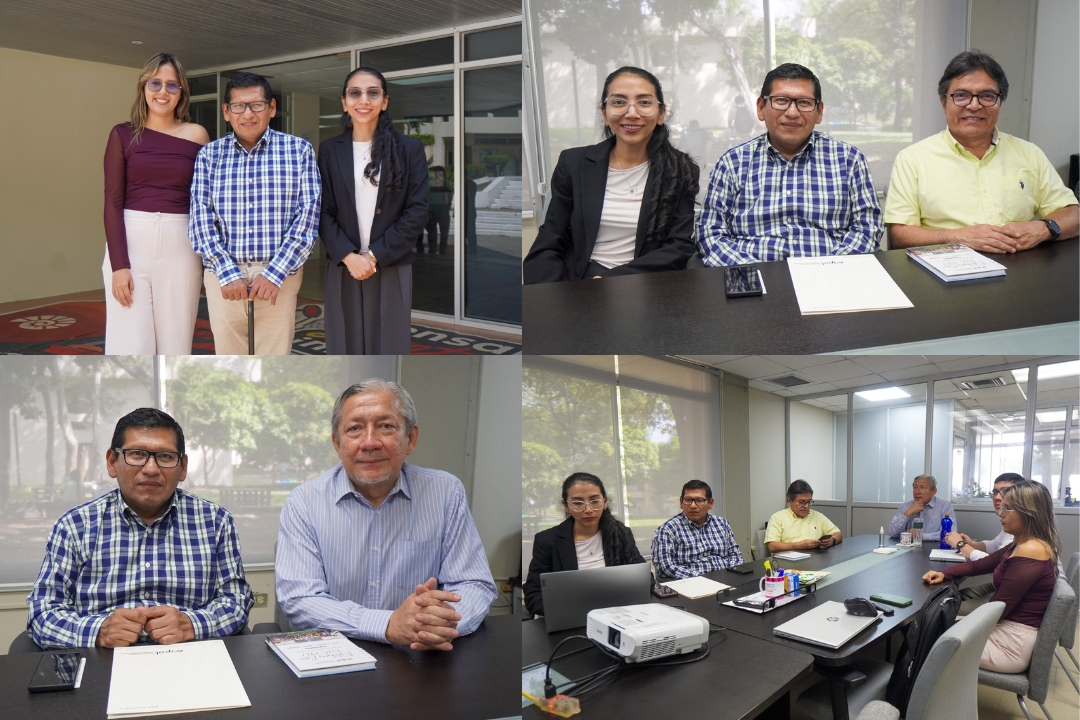
The Faculty of Geosciences Engineering (FICT) at ESPOL and Rey Juan Carlos University strengthened their academic collaboration during a technical meeting held from May 26 to 28, 2026. The agenda included a tour of the facilities and the community engagement project “Water Collection, Harvesting, and Reuse for Sustainability (Phase II)” in Manglaralto, where equipment valued at approximately 10,000 euros (ten thousand euros) was also donated.
The visit provided an opportunity to learn about the activities being carried out as part of the project and to review applications related to sustainable water resource management. This initiative serves as a platform for collaboration in which the generation and application of knowledge aim to contribute to water sustainability in the region.
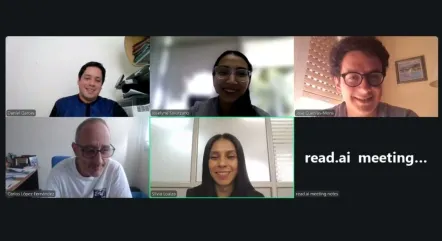
As part of the agenda, a strategic meeting was held between representatives of both institutions to review scientific articles that will be developed jointly with Rey Juan Carlos University. This meeting helped establish lines of work to continue strengthening research collaboration.
The collaboration between the two institutions contributes to the exchange of knowledge and the development of academic and scientific initiatives related to sustainable water management. In addition, it opens up opportunities to continue conducting joint research and to strengthen international cooperation for FICT and its research units. As part of this collaboration, plans are in place to develop a research project and produce two scientific publications in collaboration with international partners over the next 18 months.
The delegation consisted of:
Eng. Paúl Carrión, Ph.D., Dean of the FICT
Eng. Javier Montalván, Ph.D., Tenured Professor at Rey Juan Carlos University
Eng. Fernando Morante, Ph.D., Director of CIPAT
Eng. Lady Bravo, M.Sc., Researcher of CIPAT
Eng. Joselyne Solórzano, M.Sc., Professor of the FICT
Sustainable Development Goals - SDGs
SDG 4: Quality Education. For promoting academic exchange and collaboration among institutions of higher education.
SDG 6: Clean Water and Sanitation. For its connection to the development of initiatives focused on the sustainable collection, harvesting, and reuse of water.
SDG 11: Sustainable Cities and Communities. For contributing, through research and outreach, to the search for alternatives for sustainable water resource management.