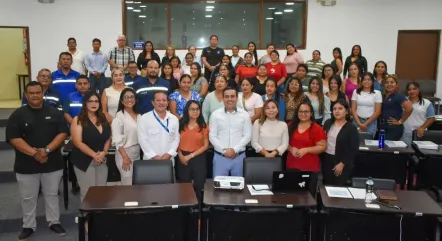


The Faculty of Geosciences Engineering (FICT) and the Faculty of Social Sciences and Humanities (FCSH) at the Escuela Superior Politécnica del Litoral (ESPOL) held a working meeting with the aim of strengthening collaboration between the two academic units and creating new educational opportunities for students. The meeting took place on July 21, 2026, in the FCSH conference room.
The meeting was attended by administrators and faculty members from both faculties, who explored opportunities to integrate knowledge and expertise in areas such as engineering, territorial planning, urban planning, sustainability, and the social sciences. This integration aims to promote academic initiatives that address the challenges facing cities and territories from an interdisciplinary perspective.
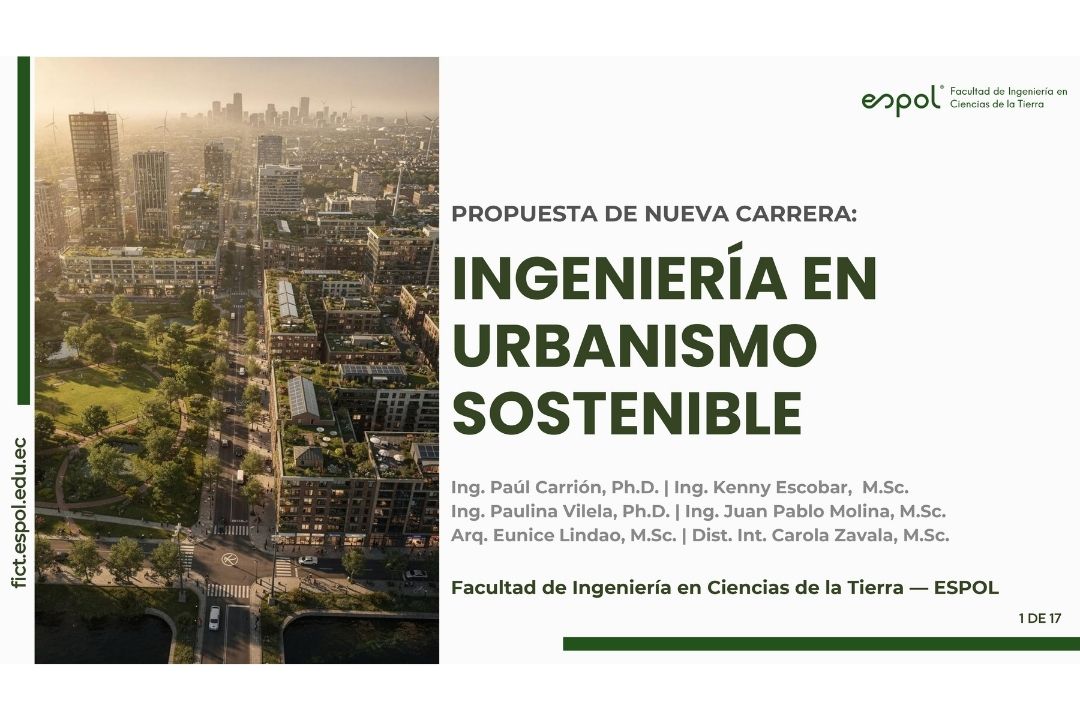
One of the main topics discussed was the development of a proposal for a new degree program in collaboration between FICT and FCSH. During the meeting, participants explored ways to integrate the academic strengths of both faculties to create an educational program that combines technical, social, and planning components, thereby expanding academic opportunities for future ESPOL students.
Participants also explored ways to strengthen cooperation by offering courses and academic content developed collaboratively. This collaboration would allow students from different fields to access complementary knowledge and develop a comprehensive understanding of planning and sustainable development processes.
Furthermore, during the meeting, opportunities were identified to promote other joint projects within ESPOL, leveraging the experience and expertise of faculty and researchers from the various fields involved. These initiatives aim to strengthen interdisciplinary work and create spaces for collaboration to develop solutions to territorial, urban, social, and environmental challenges.
This collaboration strengthens the integration among different fields of knowledge within ESPOL and contributes to the development of innovative educational proposals aligned with the current challenges of sustainable development. The coordination among engineering, social sciences, tourism, urban planning, and territorial planning will enable the continued training of professionals with a comprehensive vision and greater capacity to contribute to the sustainable development of cities and territories.
Participants
FICT
Eng. Paúl Carrión, Ph.D. – Dean of FICT
Arch. Eunice Lindao – Professor
Mgtr. Carola Zavala – Professor
Eng. Paulina Vilela, Ph.D. – Coordinator of the Civil Engineering Program
Eng. Maribel Aguilar – FICT
FCSH
Ph.D. Carla Ricaurte – Dean of FCSH
Professor in the Tourism Program at FCSH, Mathias Pécot
CIPAT
Eng. María Fernanda Jaya – CIPAT
Sustainable Development Goals (SDGs)
SDG 4. Quality Education
Strengthening opportunities for interdisciplinary education and developing new academic programs that address the current and future needs of students and society.
SDG 9. Industry, Innovation, and Infrastructure
Promoting academic innovation and interdisciplinary initiatives aimed at generating solutions for the sustainable development of regions.
SDG 11. Sustainable Cities and Communities
Developing academic capabilities related to the planning, management, and sustainable development of cities, communities, and regions.
SDG 17. Partnerships for the Goals
Strengthening cooperation among ESPOL’s academic units to integrate capabilities, knowledge, and experiences in the development of new academic proposals and interdisciplinary projects.