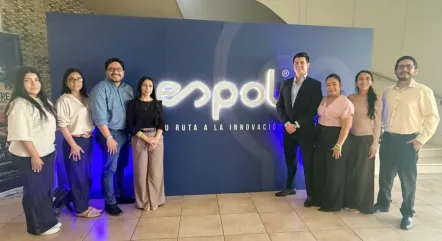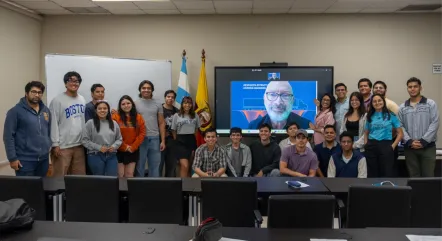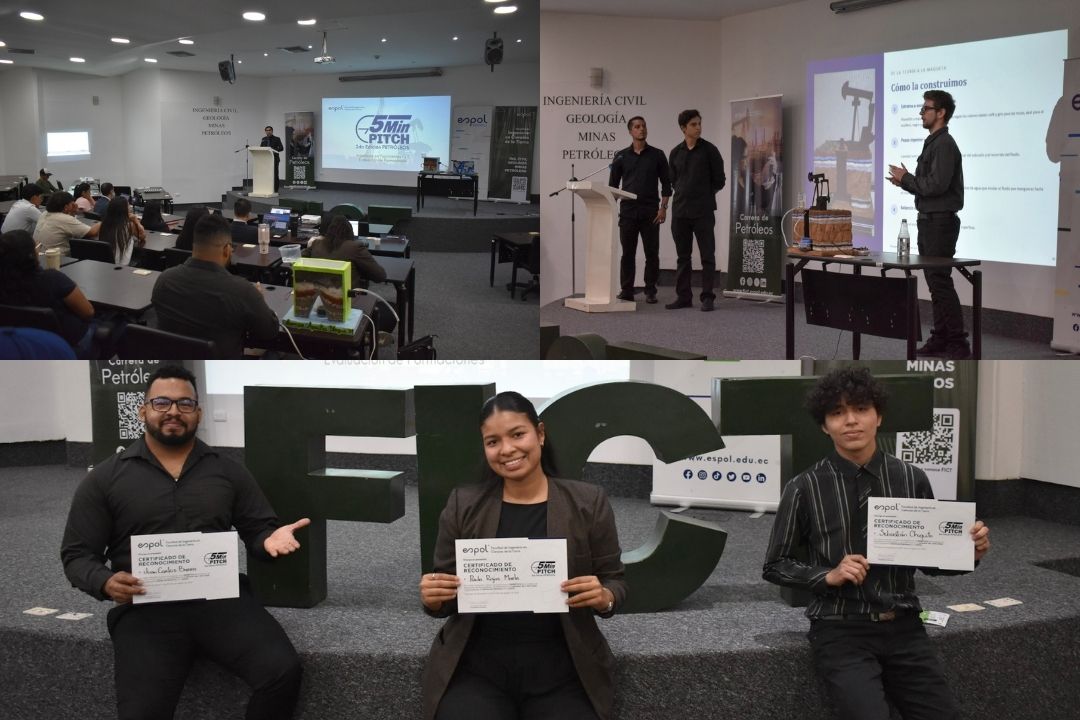


The Petroleum Engineering Program at ESPOL’s Faculty of Geosciences Engineering (FICT) hosted the “5MinPitch II: Petroleum Edition” event, an academic activity designed to strengthen students’ effective communication skills. The event took place on Thursday, August 20, with students presenting projects they had developed in the courses Reservoirs I and II, and Formation Evaluation I.
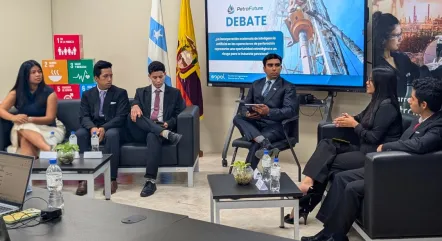
During the event, each group had five minutes to present their projects in a concise, creative, and understandable manner. The exercise allowed participants to synthesize technical information, communicate their ideas clearly, and articulate the value of their proposals to a specific panel of judges—skills relevant to their future professional performance.
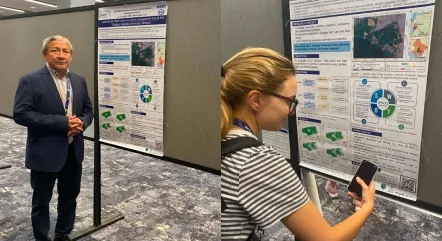
The projects addressed topics related to the optimization of waterflooding systems, secondary recovery through water injection, energy management using the IoT, fracture detection, analysis of electrical logs, and formation testers. Projects were also presented on the collection of representative fluids and the application of spectroscopy to petrophysical evaluation.
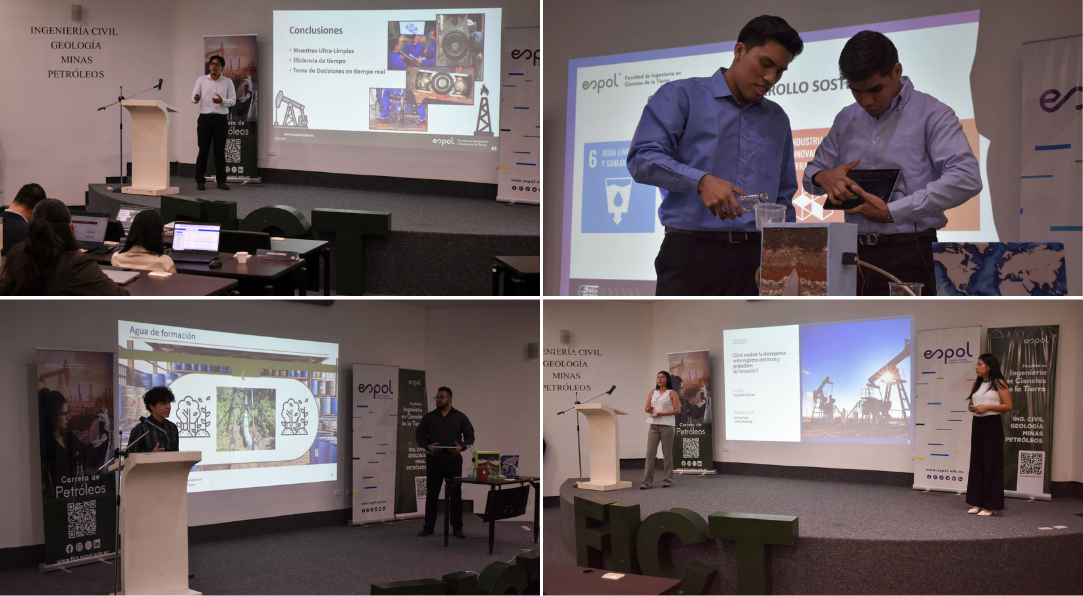
The jury was composed of experts in the fields of communication, engineering, and hydrocarbons, who evaluated the presentations using the event’s rubric and provided feedback at the end of each presentation. The event was organized by Cecibel Castillo, M.Sc., and Andrés Guzmán, M.Sc., professors in the Petroleum Engineering program.
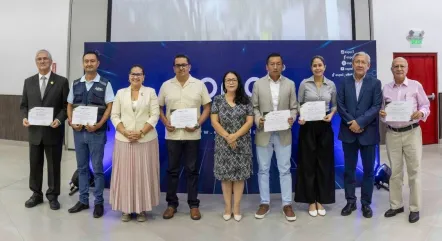
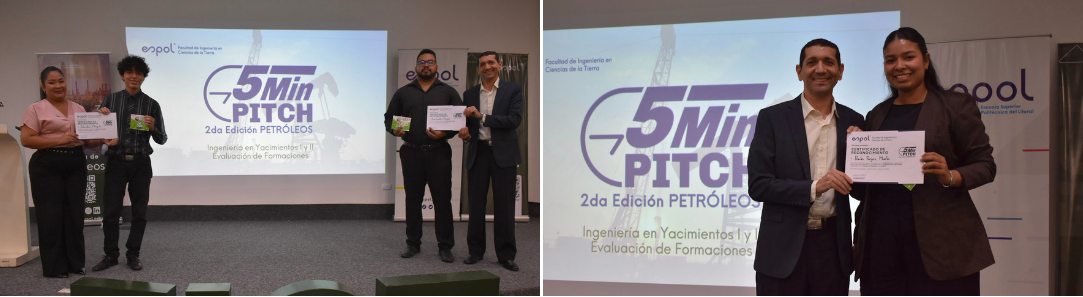
The 5MinPitch concluded with an awards ceremony for the winning teams. In the Reservoirs I and II category, students Sebastián Chiquito and Juan Carlos Barro were recognized, while in the Formation Evaluation category, the award went to student Paula Rojas, a member of the SPE–ESPOL Student Chapter Executive Board.
This initiative contributes to the well-rounded education of Petroleum Engineering students by complementing their technical knowledge with skills to communicate and present proposals effectively. In this way, the activity strengthens competencies that can facilitate knowledge transfer and the application of solutions related to the challenges of the energy industry.
Sustainable Development Goals (SDGs)
SDG 4: Quality Education, through the strengthening of technical and communication skills that complement students’ vocational training.
SDG 9: Industry, Innovation, and Infrastructure, through projects related to technological innovation and solutions applied to the energy sector.
SDG 13: Climate Action, through projects that incorporate energy management approaches and technologies applied to the sector’s challenges.