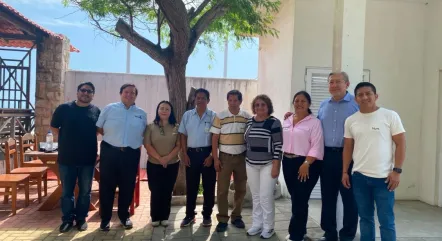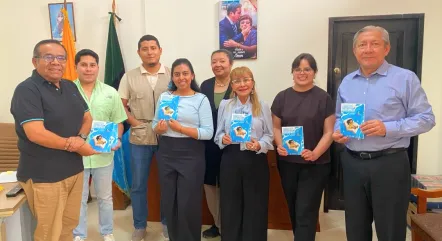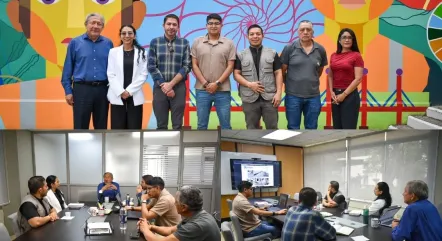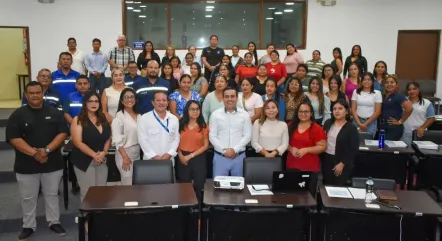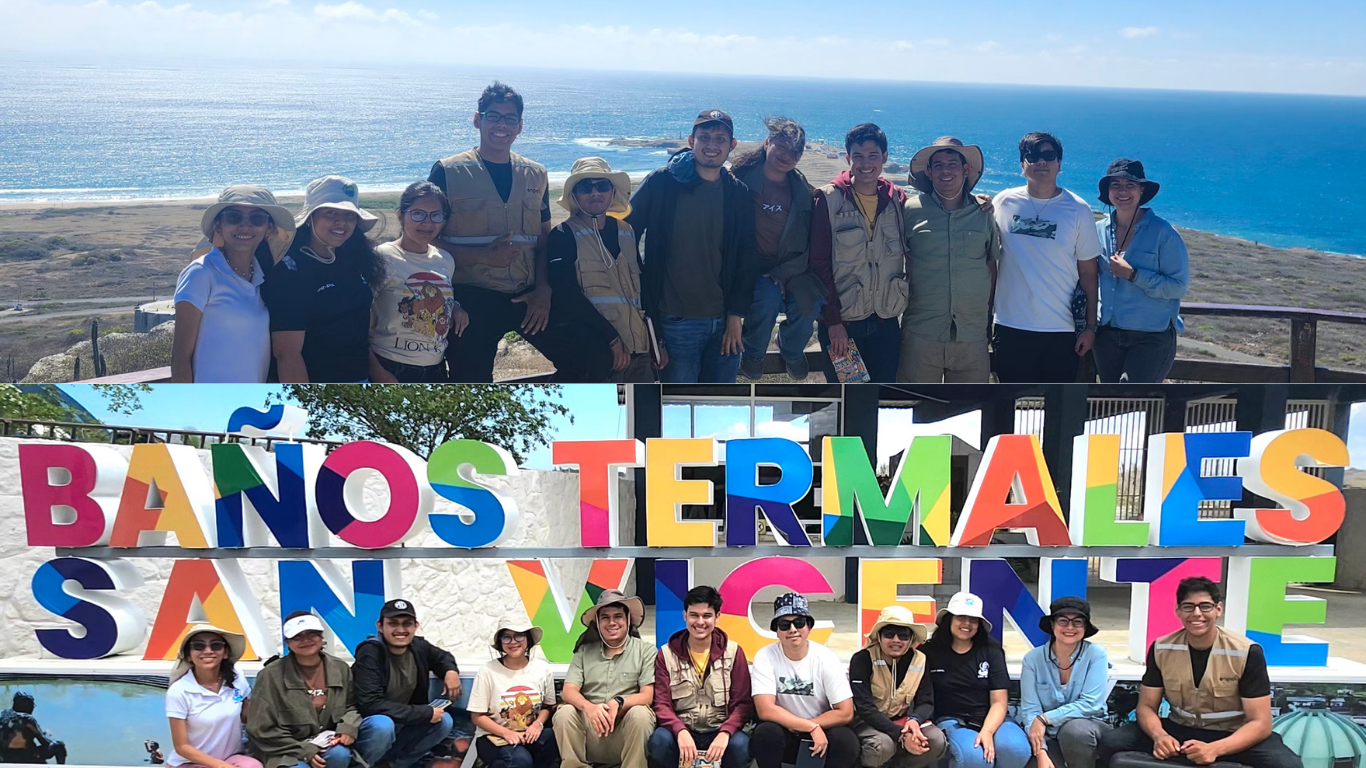

As part of their academic and practical training, Geology Engineering students from ESPOL participated in a two-day fieldwork expedition in the province of Santa Elena. The objective was to deepen their understanding of geological materials, sedimentary environments, geotourism, and hydrogeology in Ecuador's coastal regions.
The first day's itinerary included visits to the Zapotal 'albarrada' (traditional water reservoir), the San Vicente Thermal Baths, oil wells in Atahualpa, and 'La Chocolatera' in Salinas. These sites allowed students to analyze diverse geological contexts, natural resources, and potential geotourism landmarks. On the second day, the journey continued in Manglaralto, where students conducted a technical tour of the dam and water wells in collaboration with the Manglaralto Regional Water Board. During this session, students utilized specialized equipment to measure physicochemical water parameters, interpreting results directly in the field.
These activities were integrated into the General Geology, Geology of Ecuador, and Hydrogeology curricula. Furthermore, they were framed within the community outreach project 'Sowing, Harvesting, and Reusing Water for Sustainability (Phase II),' strengthening the synergy between teaching, research, and social impact through practical workshops and case study analyses backed by peer-reviewed scientific publications.
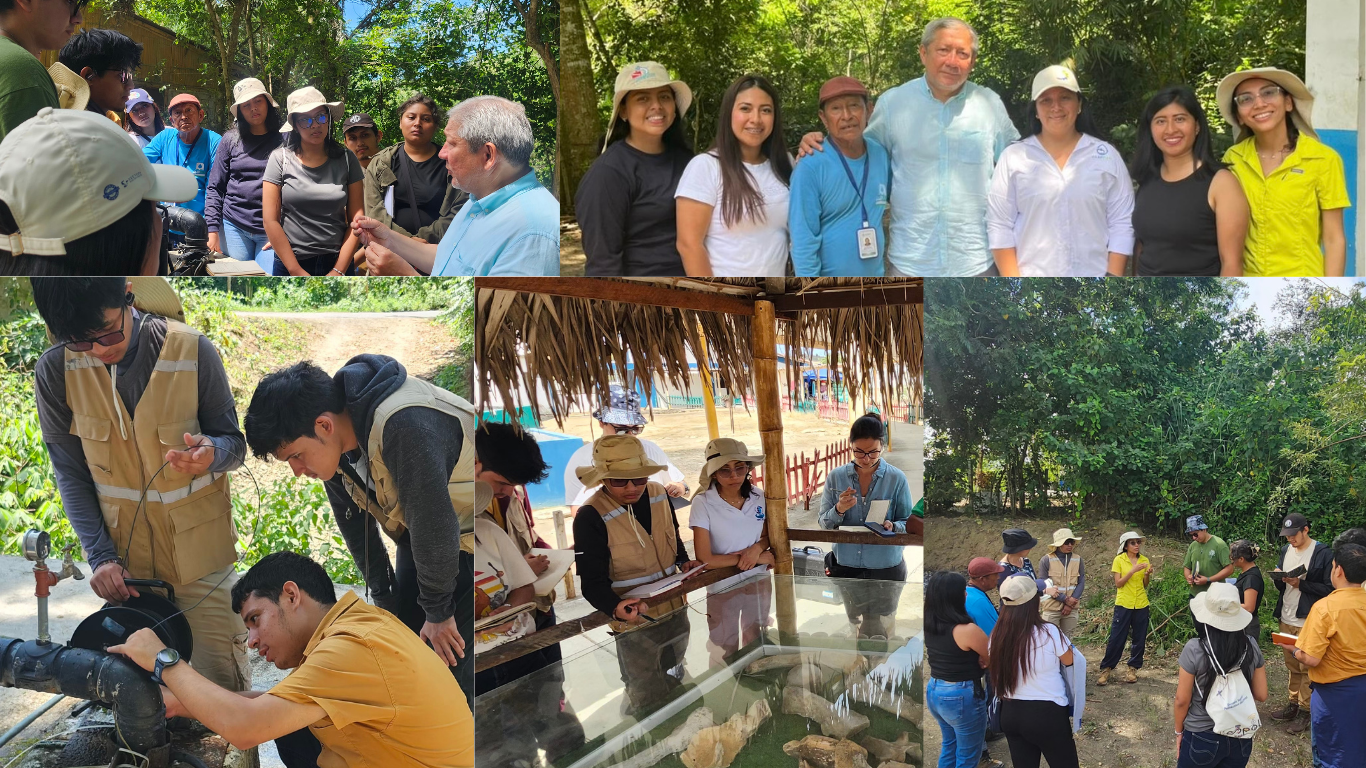
The field trip for students from the Faculty of Geosciences Engineering (FICT) at ESPOL was conducted under the guidance of:
Paúl Carrión Mero, Ph.D., Professor of Hydrogeology.
Joselyne Solórzano, M.Sc., Professor of Geology of Ecuador and General Geology.
Emily Sánchez, M.Sc., Project Researcher and Co-teaching Faculty in Hydrogeology.
Ms. Azucena Malavé, President of the Manglaralto Regional Drinking Water Board, along with operators and board members.
These experiences allow Geology students to gain direct exposure to the various branches and applications of the field, strengthening their comprehensive training and their commitment to the sustainable management of natural resources.
The activity aligns with the Sustainable Development Goals (SDGs), specifically SDG 4: Quality Education and SDG 6: Clean Water and Sanitation, reaffirming the academic commitment to a relevant, sustainability-oriented education.