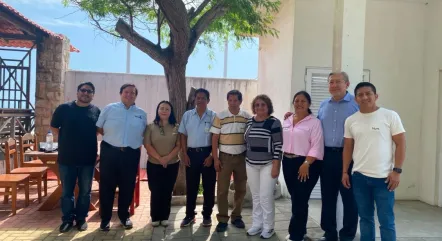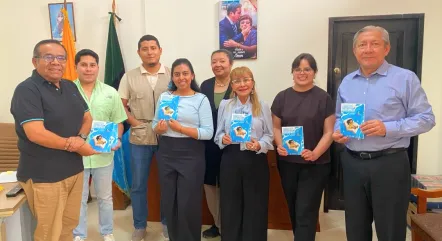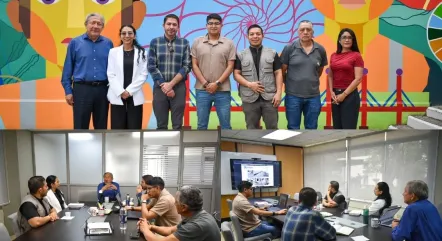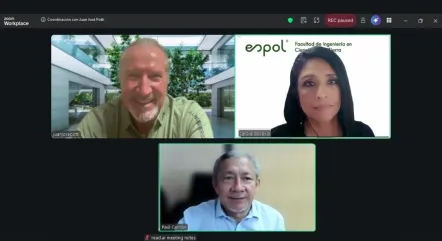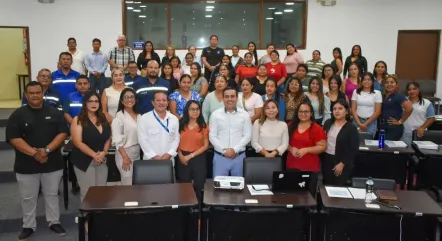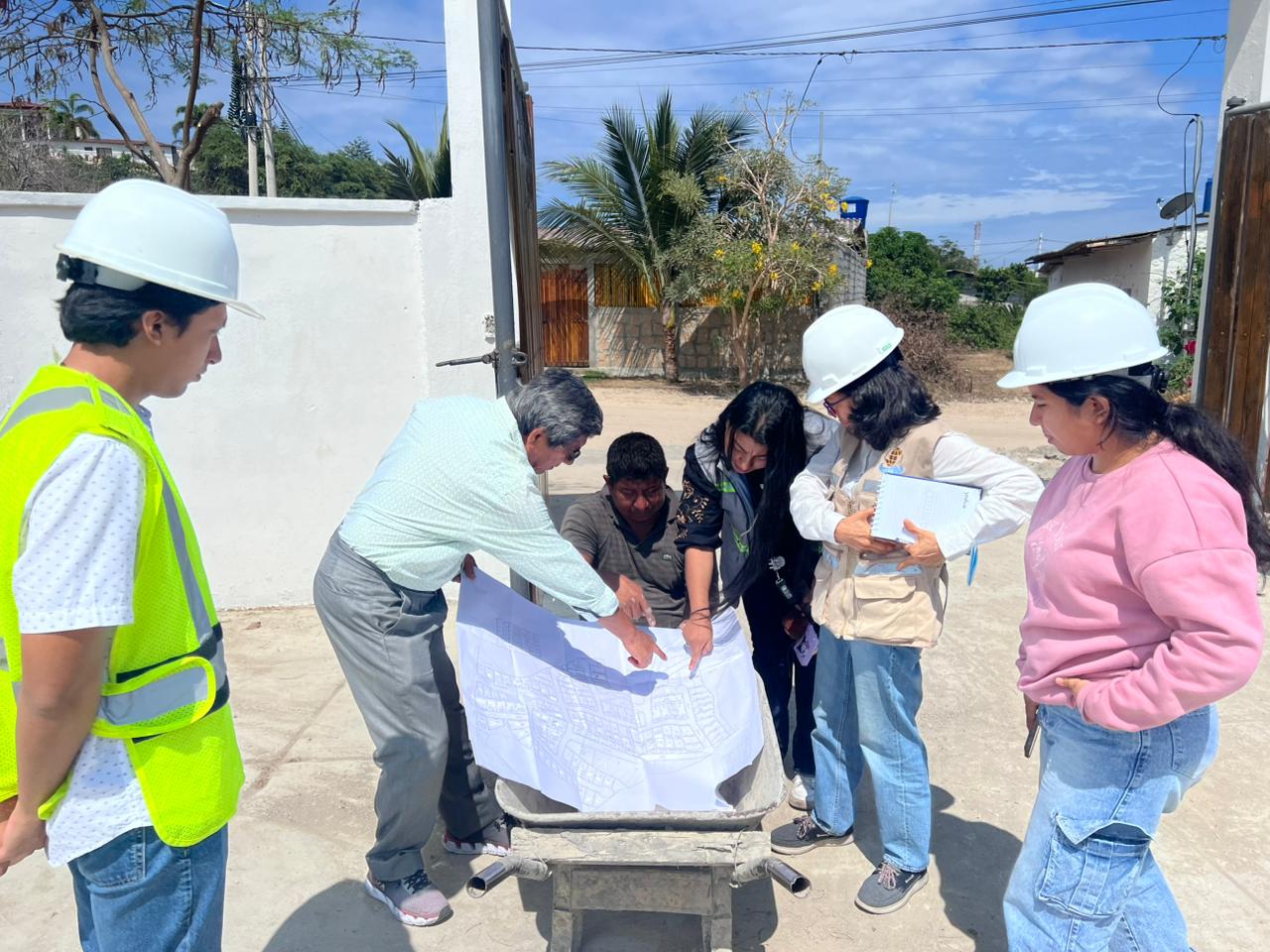

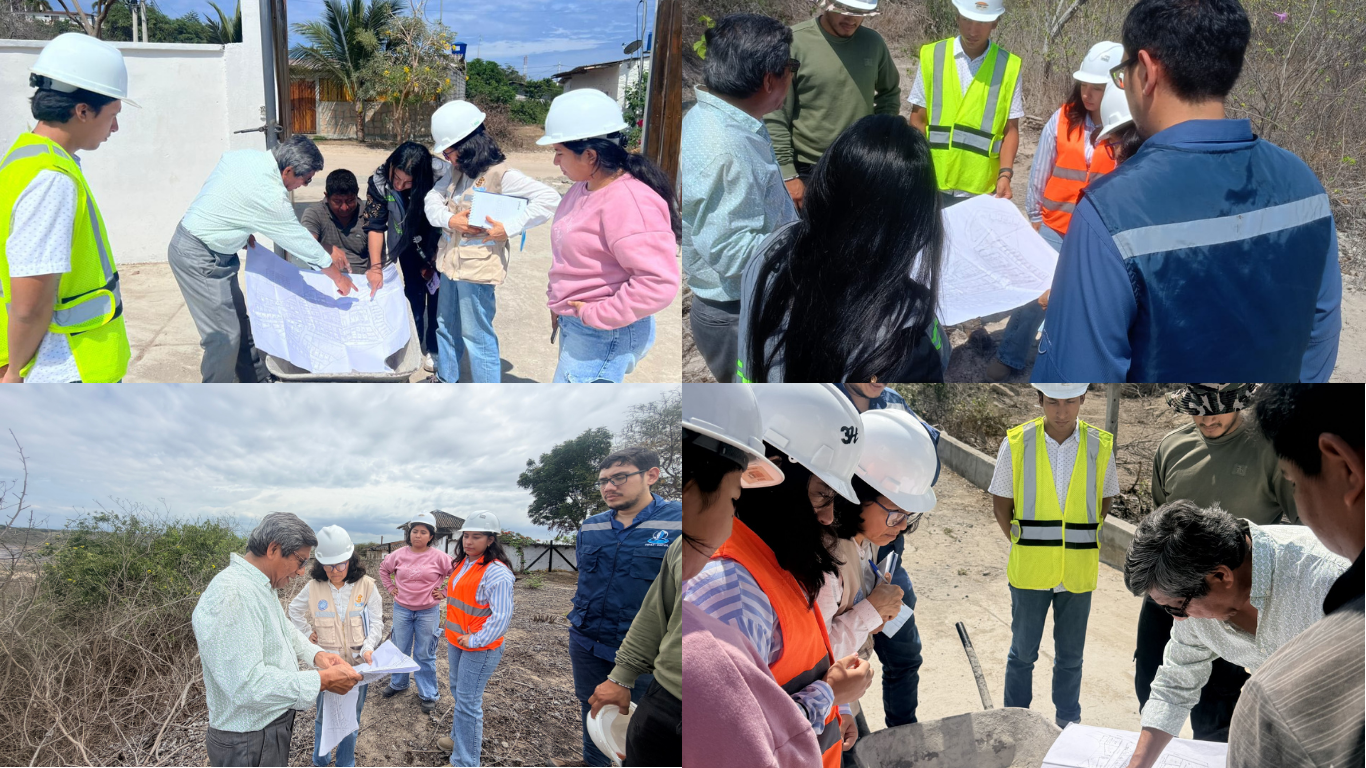
 The Faculty of Geosciences Engineering (FICT) of the Escuela Superior Politécnica del Litoral (Litoral Polytechnic School) conducted a technical visit to the residential development area of the APESPOL Teachers' Association – Teachers and CAA in Ayangue, with the aim of initiating a cooperation project focused on addressing road, health, and environmental management issues in the sector.
The visit, which took place on January 27, 2026, allowed for direct contact with the community, as well as a technical tour to identify first-hand the current conditions of the infrastructure and the main territorial challenges. This activity is part of the academic and outreach actions promoted by the FICT, strengthening the role of the university as a strategic ally of sustainable local development.
Technical contribution and academic-community coordination
During the visit, preliminary information was gathered on the state of the roads, sanitation system, drainage systems, wastewater management, among other issues, as well as aspects related to environmental risks and urban pressure.
Based on this initial assessment, lines of study are being developed to structure a comprehensive project that includes feasibility analyses and proposals for different time horizons.
The project will combine applied research and community outreach, involving research professors and students in the analysis, design, and proposal of sustainable solutions adapted to the coastal context of Ayangue.
Institutional and educational impact
This initiative strengthens FICT's strategic lines in sustainable infrastructure, environmental management, and territorial development. It also promotes learning experiences based on real problems, allowing students to participate in technical processes with direct social impact.
The visit consolidates ESPOL's commitment to generating responsible solutions, transferring knowledge, and coordinating between academia and the community to address local challenges with a sustainable approach.