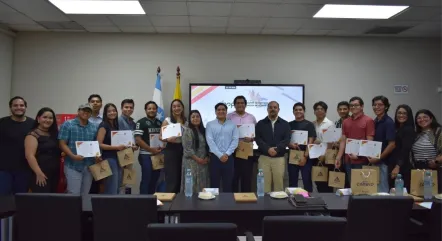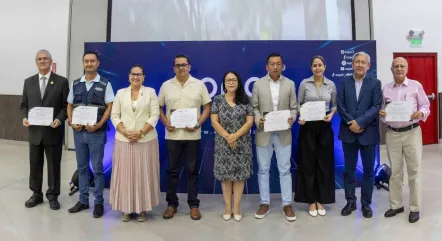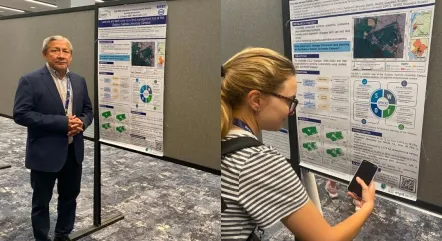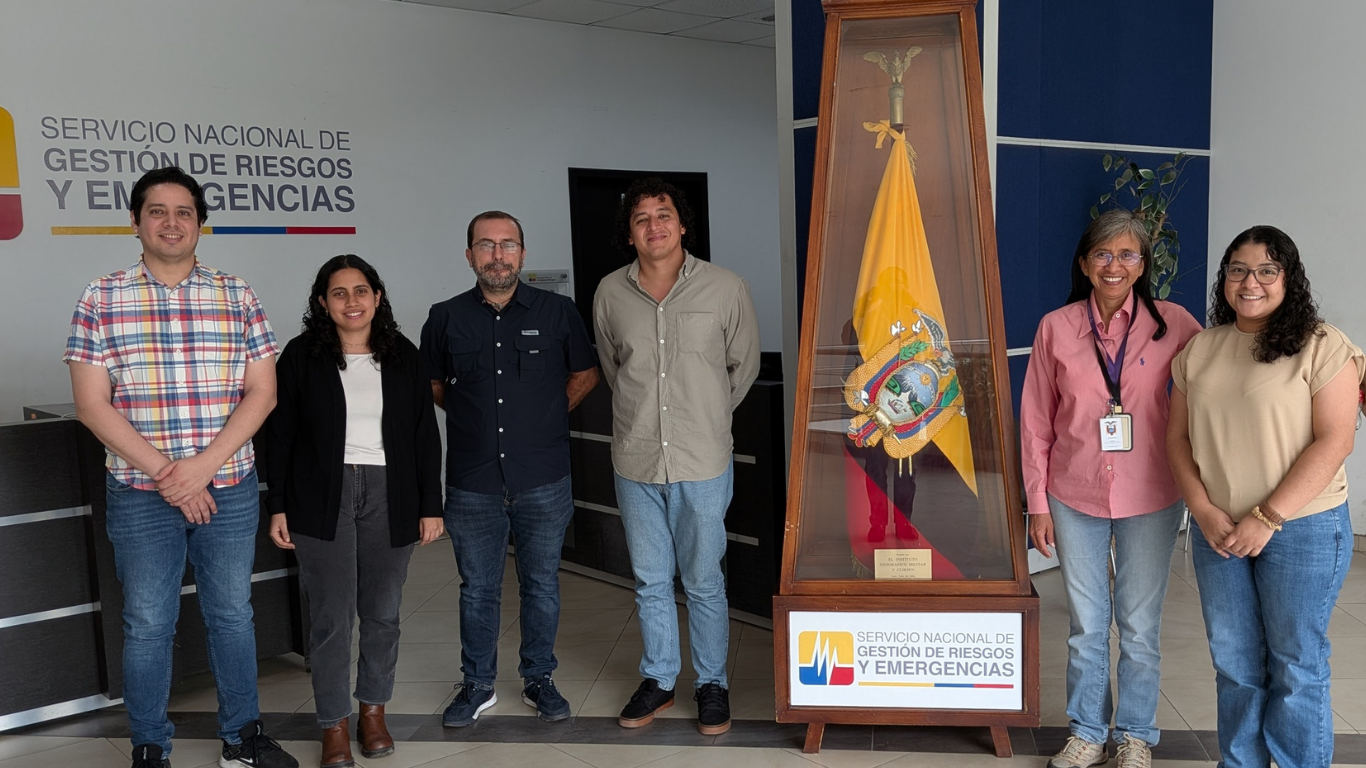
Thanks to a strategic collaboration with the National Secretariat for Risk Management (SNGR), we have secured external funding to carry out essential research on volcanic risk in Ecuador. The project, entitled “Assessment of the Volcanic Risk Index in Ecuador,” has an implementation period of 18 months.
Ecuador, a country located in the Pacific Ring of Fire, is home to dozens of potentially active volcanoes, several of which have shown activity in recent decades, posing a constant threat to nearby communities. Although these volcanoes are dispersed throughout the territory, they have the potential to cause significant disasters if the associated risks are not properly managed.
The main purpose of this project is to determine the Volcanic Risk Index (VRI) of Ecuador’s potentially active volcanoes through a comprehensive evaluation of a series of parameters, with the aim of identifying existing needs and generating greater knowledge about volcanic hazards in the country.
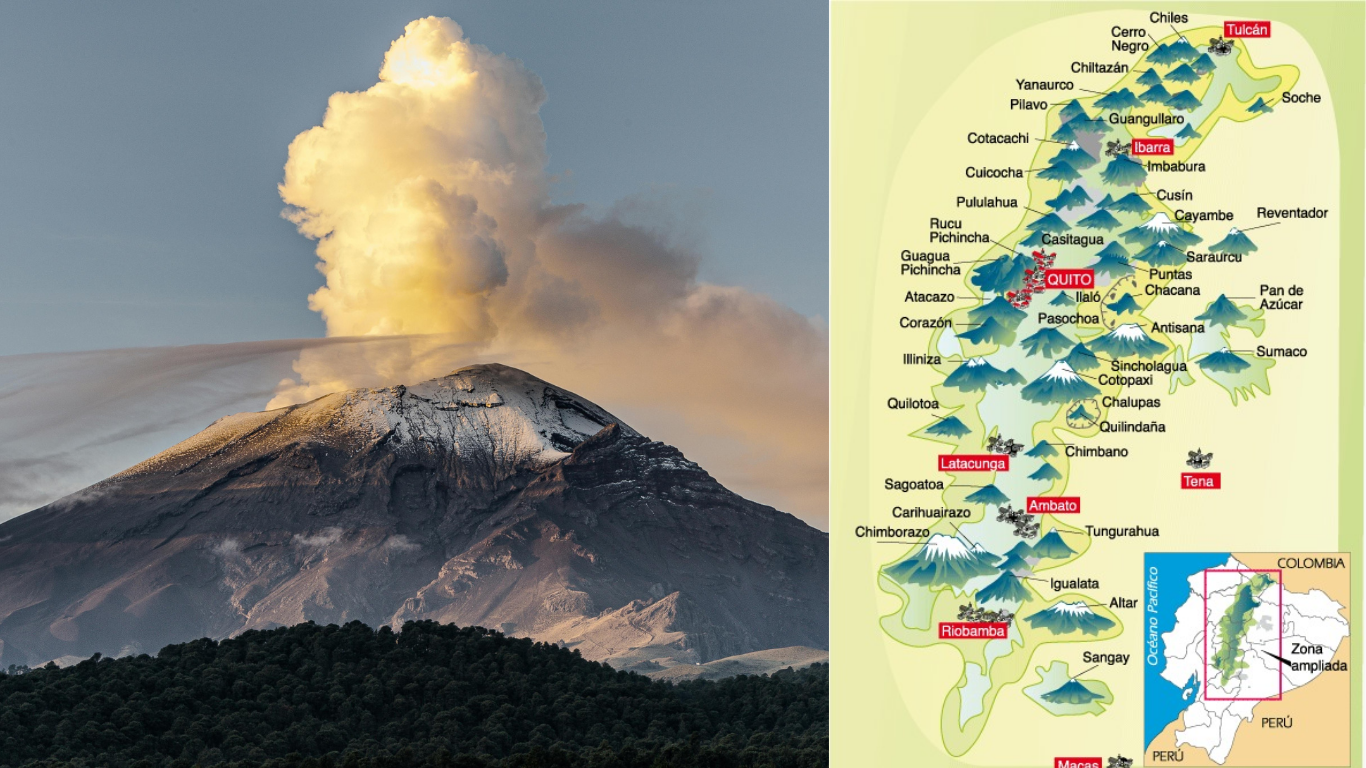
Specific objectives of the project:
Assessment and diagnosis of volcanic hazards: Key cartographic data and relevant literature will be used to identify methodologies and prior knowledge in the field.
Development of an interactive geospatial platform: This platform will integrate basic territorial information, historical data on the most relevant volcanoes, and the results obtained from the project, providing access to vital information.
Development of a Volcanic Hazard Index (VHI): With the aim of creating a robust and reliable index for potentially active volcanoes.
Determination of vulnerability and exposure variables: Based on census data and available geospatial information.
Dissemination of results: In order to promote awareness of volcanic hazards.
Importance for timely prevention:
Having a comprehensive assessment of volcanic risk is essential for hazard prevention and for reducing the vulnerability of communities located near volcanoes. By understanding the behavior and activity of potentially active volcanoes, as well as the associated risk parameters, it will be possible to design a more effective risk management strategy. The information generated by this project will be useful as a decision-making tool, for strengthening institutional capacities, allocating resources, and prioritizing efforts.
This project, led by ESPOL and the SNGR through the Subsecretariat for Information Management and Risk Analysis, will involve the participation of multiple national and international institutions.
Project team:
Maurizio Mulas, Daniel Garcés León, Gabriela Solís Gordillo, Kenny Escobar Segovia, Valeria Vaca Molina, Victoria Rosado Zambrano, Gianella Bravo Murillo, Nadia Lagasca Loaiza, Erwin Larreta Torres, Laura Pioli, Michelle Villalta Echeverría, Raúl Acevedo AND Mónica Santos Carrasco
This project aims to strengthen preparedness for geological threats and optimize volcanic risk management in the country. Through the generation of reliable data and practical tools, it will facilitate informed decision-making, improve emergency response capacity to volcanic events, and contribute to the safety of the Ecuadorian population.