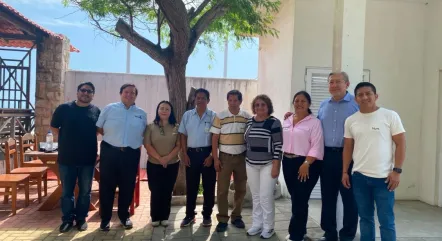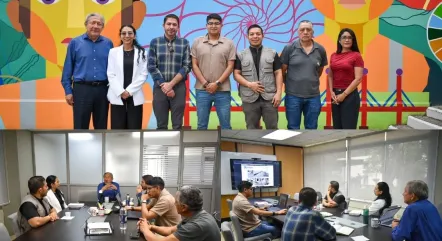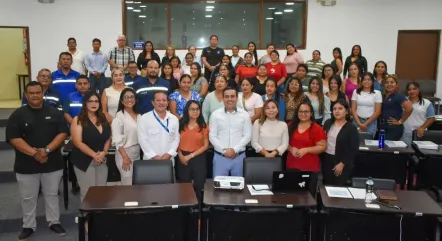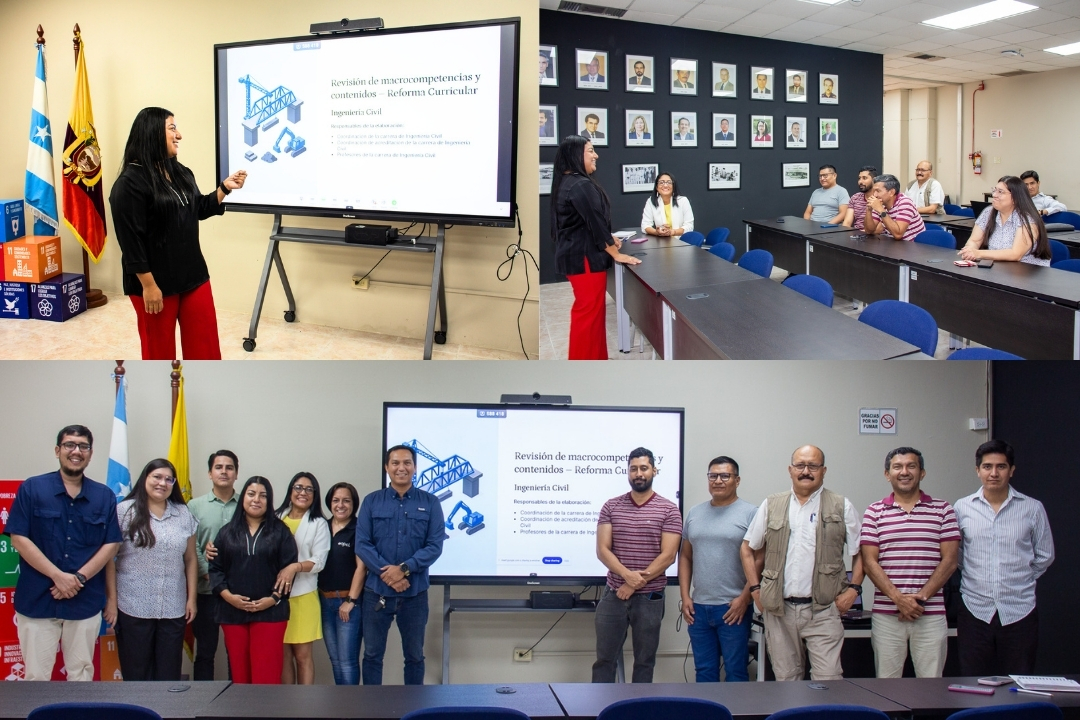


The Civil Engineering program held a workshop focused on reviewing academic competencies and content, with the aim of updating the program’s professional training to align with current industry needs and the demands of professional practice. This activity is led by the coordinator of the Civil Engineering program, Paulina Vilela, Ph.D., who promotes academic strengthening through the continuous updating of curricula.
The event was attended by the Civil Engineering Accreditation Coordinator, Lenin Dender, M.Sc., and faculty members from the program, who analyzed criteria for drafting and updating competencies. Topics addressed included the definition of observable skills, the use of tools in specific contexts, the clarity of educational objectives, and the integration of ethical principles into the teaching-learning process.
Additionally, international benchmarks from universities such as Harvard, MIT, Stanford, and UT Austin were reviewed, with the aim of aligning the program’s content and competencies with global standards and best academic practices. This analysis helped identify approaches focused on problem-solving, innovation, and multidisciplinary work.
As a result of this process, key competencies for the program were identified and refined, focusing on the analysis, design, management, and oversight of civil infrastructure. These competencies incorporate technical, regulatory, ethical, and sustainability components, and are integrated with core areas such as structures, geotechnical engineering, transportation, construction, and water resources.
This process contributes to strengthening student training, ensuring an up-to-date education aligned with the demands of the industry and the challenges of sustainable development. Furthermore, it reinforces ESPOL’s institutional commitment to continuous improvement and academic quality, training professionals capable of generating relevant solutions for society.
Sustainable Development Goals
SDG 4: Quality Education
SDG 9: Industry, Innovation, and Infrastructure
SDG 11: Sustainable Cities and Communities