

As part of the international IsVolc project, the Escuela Superior Politécnica del Litoral (ESPOL) and the University of Cagliari, with the support of the Autonomous Region of Sardinia (Italy), carried out a technical visit to Santa Cruz Island with the aim of strengthening local capacities in the monitoring and sustainable management of water resources.
The mission, led by Ph.D. Maurizio Mulas, research professor at ESPOL, included the delivery of specialized equipment, the training of technicians from the Municipal Public Water and Sewerage Company of Santa Cruz (EPMAPASC, E.P.), and the collection of water samples to assess the origin of the main catchment sources.
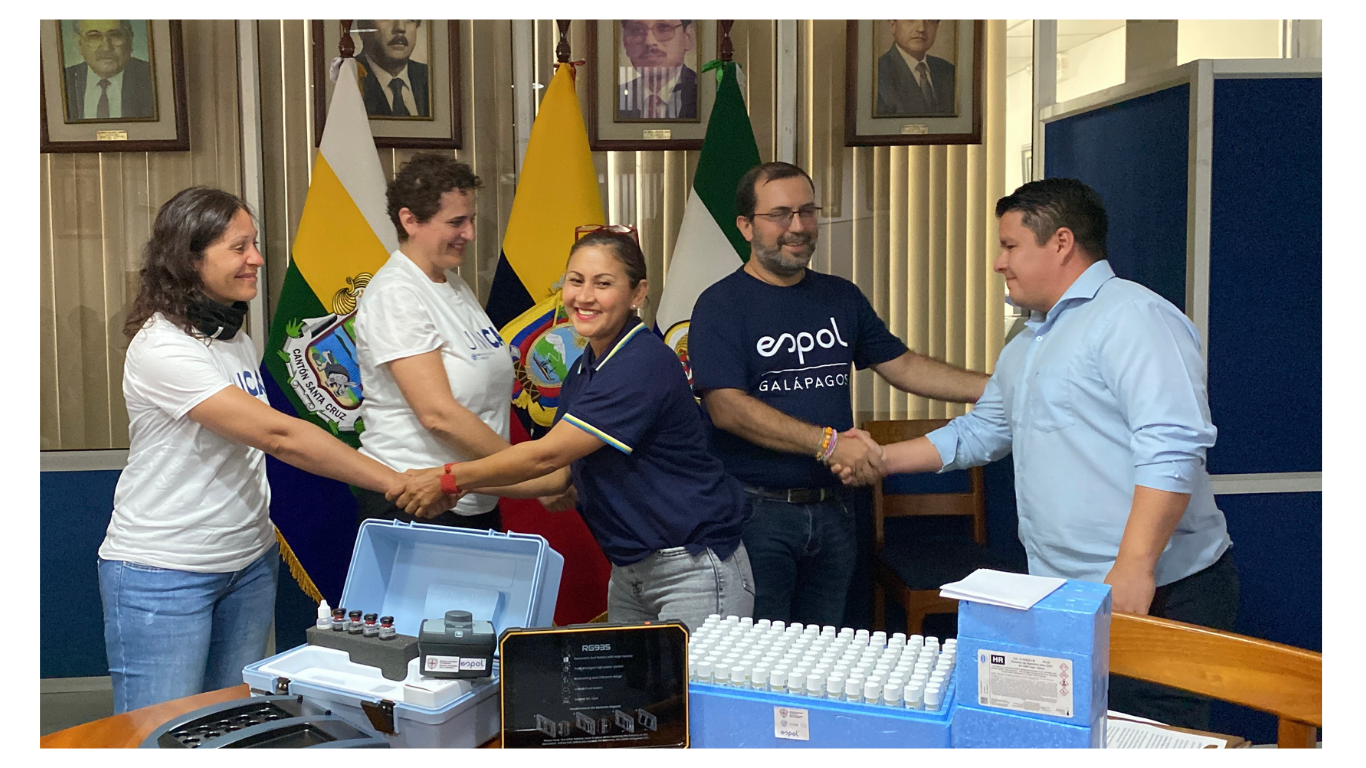
“We aim for the Santa Cruz water authority to achieve technical autonomy so it can continue its studies of water sources while always minimizing environmental impact,” stated Dr. Mulas.
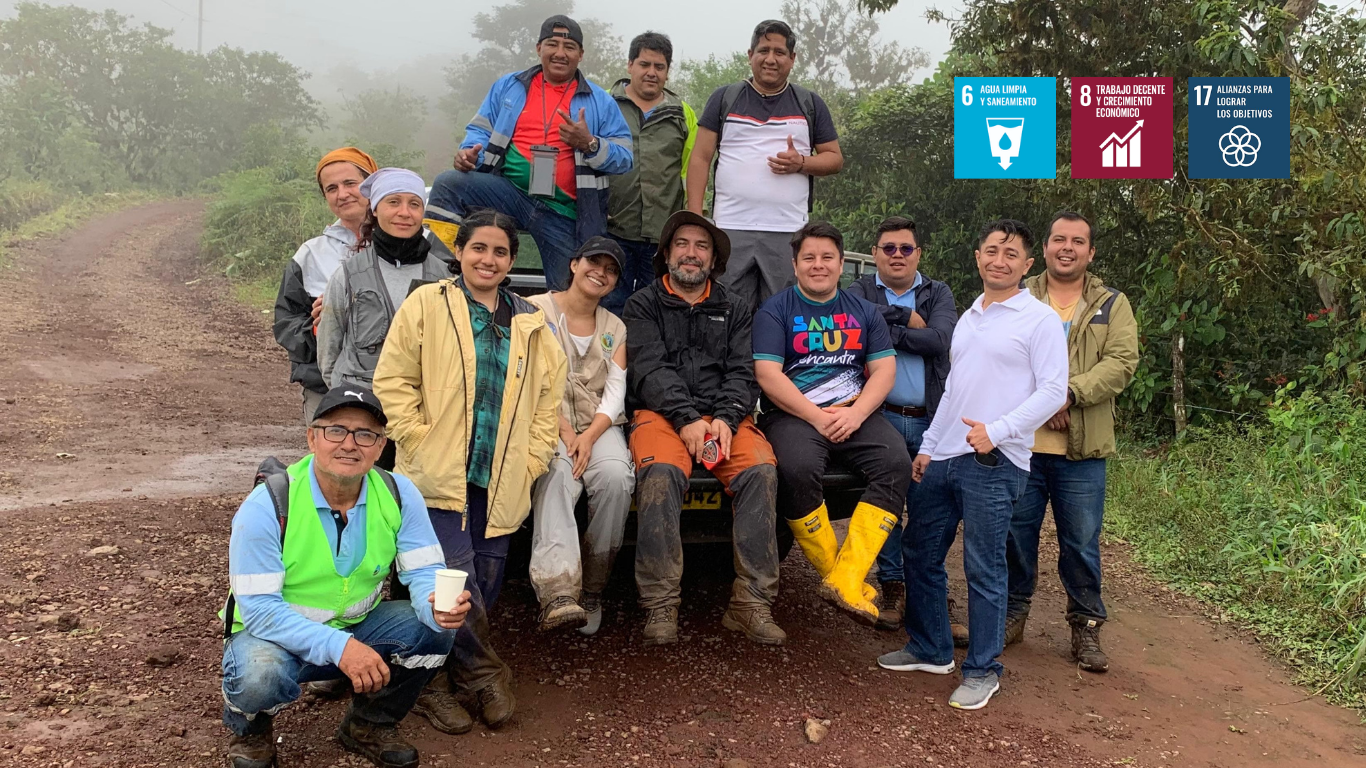
Technical field exploration
During the visit, several strategic points were inspected, with “La Camiseta” being the main one, as it is currently the only freshwater catchment source supplying the island’s population. The “Pozo profundo”, “El Gallito”, and several natural fissures around Puerto Ayora were also analyzed, with the aim of identifying alternative sources and assessing their quality.
Applied technology for water monitoring
The donation of equipment, carried out after a participatory diagnostic process with the local water authority, included:
A portable turbidimeter, used to measure water turbidity.
A thermoreactor, for determining chemical elements present in the samples.
A rugged field tablet, equipped with the GVGeoAPP application developed by the University of Cagliari, which allows georeferencing, storing, and sharing data directly from the field.
200 digestion vials for laboratory analysis.
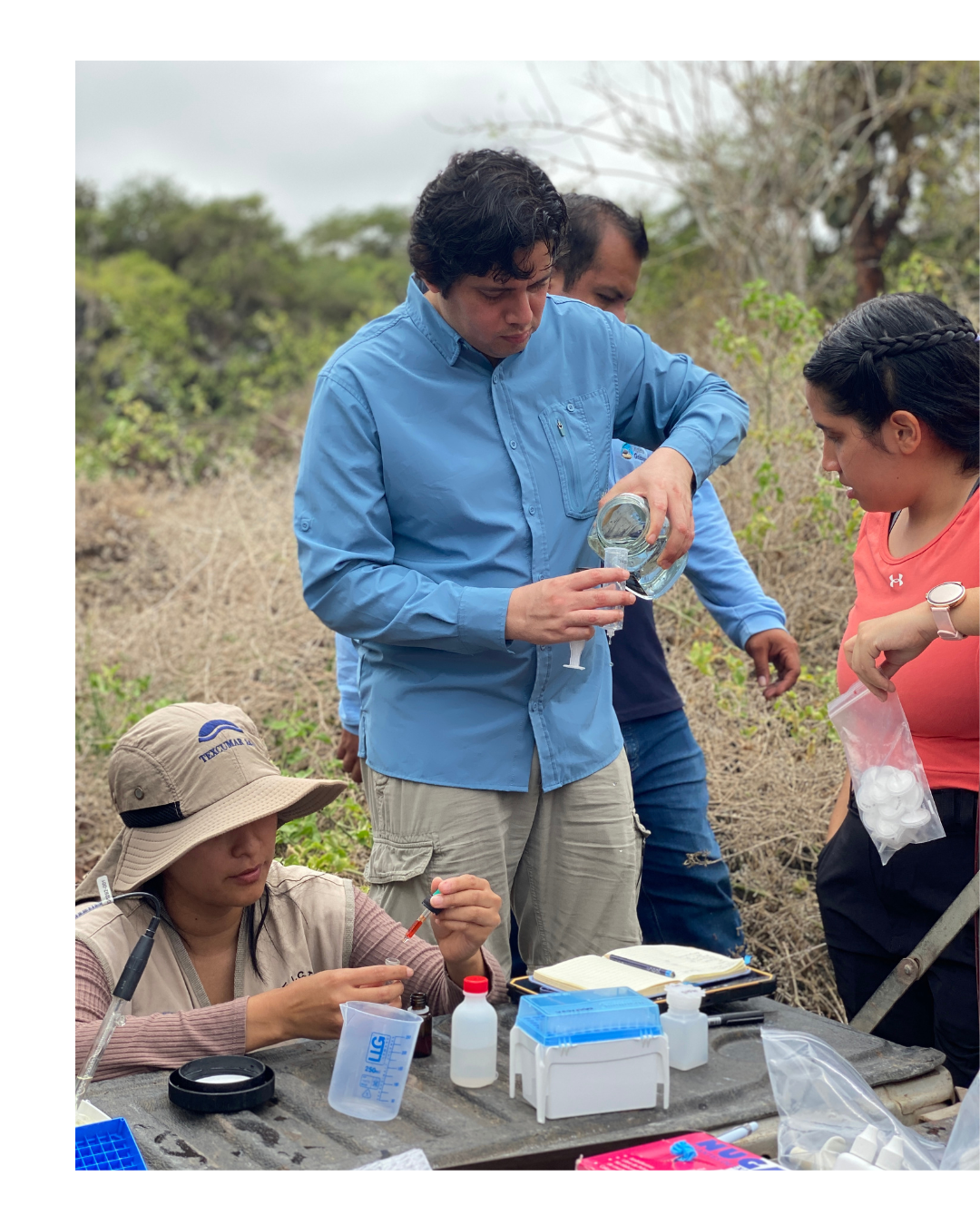
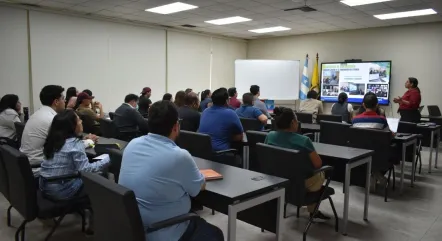
The technical training included hands-on sessions in Santa Cruz and will be complemented by a specialized internship at the University of Cagliari, where an EPMAPASC technician will further expand their knowledge in water resource analysis and monitoring.
Environmental impact and community awareness
The project also aims to strengthen public awareness about the responsible use of water. One of the most concerning issues identified was the contamination of the lava tunnel, which some residents have been using as a dumping site. The initiative seeks to encourage the active protection of water sources, which are limited and essential for the island.
Scientific outreach and institutional projection
The results of the project will be disseminated through international conferences, scientific publications, and materials accessible to the general public. At the end of the implementation phase, an outreach report will be presented, explaining in a simple, non-technical manner all the actions carried out and their impact.
This is a project in which everyone wins: it generates visibility, knowledge, and concrete solutions for a community with real needs. For Santa Cruz, it represents a significant opportunity to move toward more sustainable water management,” emphasized Mulas.
Strategic partnerships
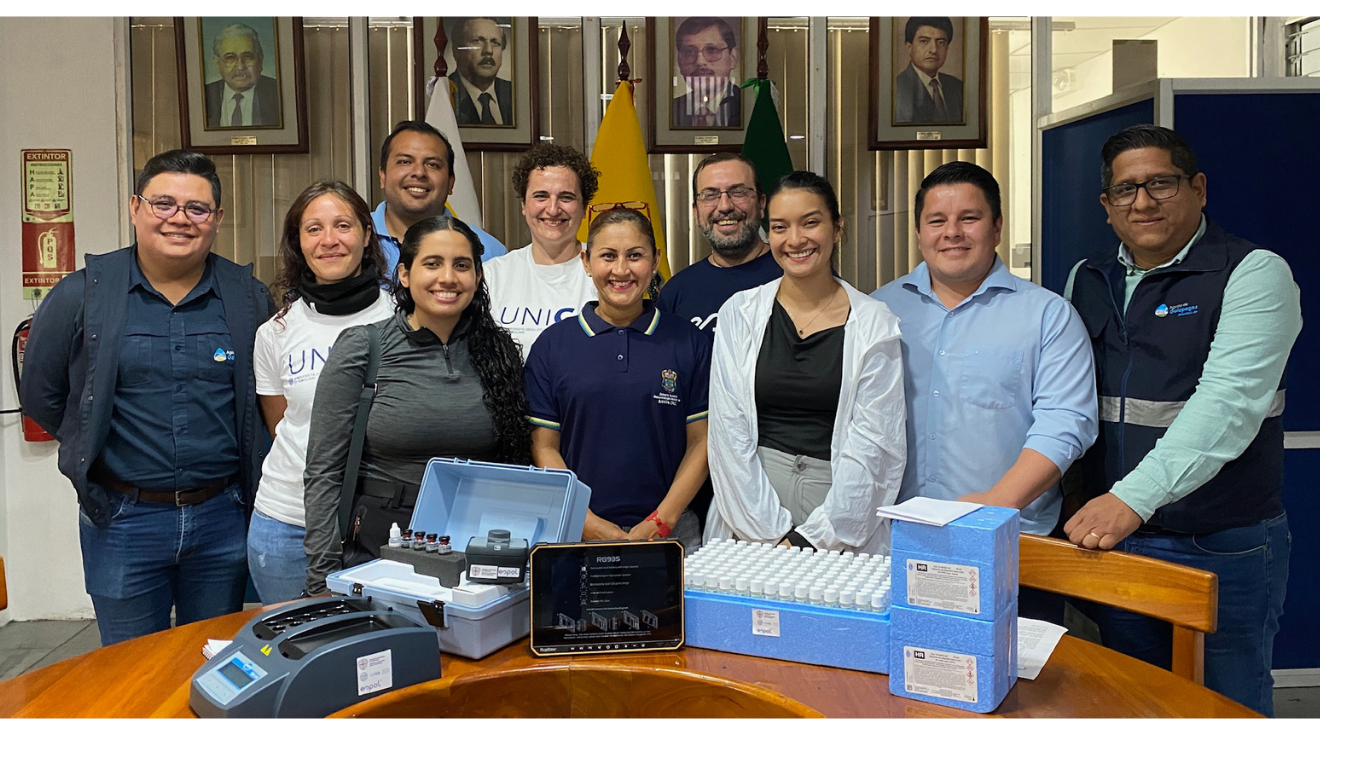
The IsVolc project is carried out thanks to the joint efforts of:
ESPOL (Guayaquil, Ecuador)
Universidad de Cagliari (Italia)
Región Autónoma de Cerdeña (Italia)
EPMAPASC, E.P. (Santa Cruz, Galápagos)
The project also involves distinguished specialists such as volcanologist Laura Pioli and geochemist Elizabetta Dore, both from the Region of Sardinia, together with Ecuadorian researchers Daniel Garcés, Gianella Bravo, and Valeria Vaca.