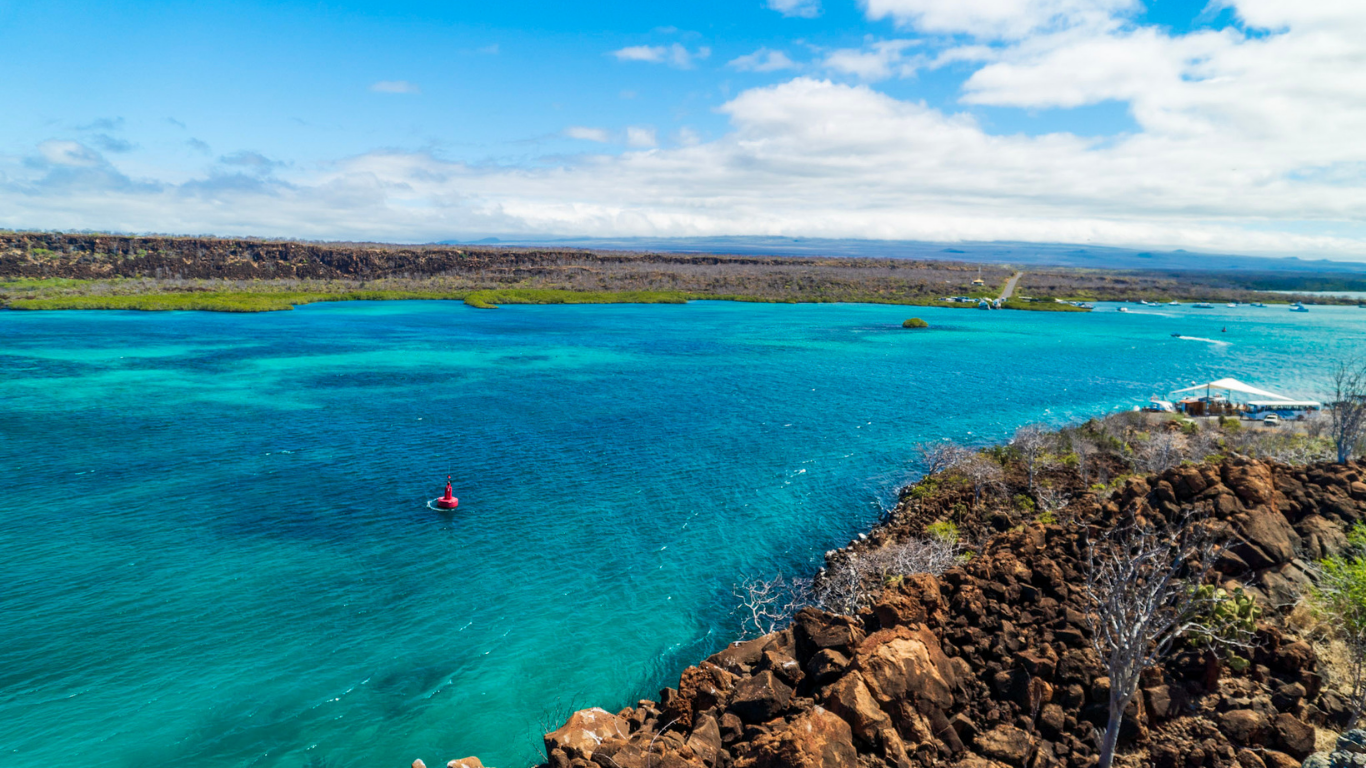
Efficient water management is a fundamental pillar of agricultural sustainability, especially in island territories where freshwater resources are limited, fragile, and highly vulnerable to anthropogenic pressure and climate change. On Santa Cruz Island (Galápagos, Ecuador), most of the water supply comes from underground aquifers that face critical threats such as saltwater intrusion, contamination, and the sustained increase in agricultural and urban demand.
This scientific study aims to identify and prioritize watersheds with favorable conditions for sustainable water management focused on agriculture. To this end, a detailed morphometric analysis of 24 sub-watersheds was conducted, evaluating parameters related to shape, relief, and drainage networks, which allowed for the estimation of erosion susceptibility and water-retention capacity. The results enabled the classification of sub-watersheds into high, medium, and low priority levels based on their potential for water conservation and sustainable agricultural development.
As a result, five priority sub-watersheds (SW15, SW22, SW19, SW1, and SW14) were identified as having favorable conditions for water retention and the implementation of sustainable agricultural practices. In contrast, other sub-watersheds showed higher susceptibility to erosive processes, highlighting the need to apply conservation measures to prevent soil degradation and water resource loss. This prioritization constitutes a key technical tool to guide territorial planning, efficient resource allocation, and the design of climate change adaptation strategies in volcanic island environments.
The relevance of this work is further strengthened by its publication in the scientific journal Environmental & Sustainability Indicators, Volume 27 (September 2025), Article 100843 (learn more about this article HERE), a journal indexed in the top decile (Q1) of its field. Top-decile articles are characterized by their high scientific impact, methodological rigor, and international visibility, ensuring that the results presented meet the highest standards of academic quality and contribute significantly to the advancement of scientific knowledge and evidence-based decision-making.
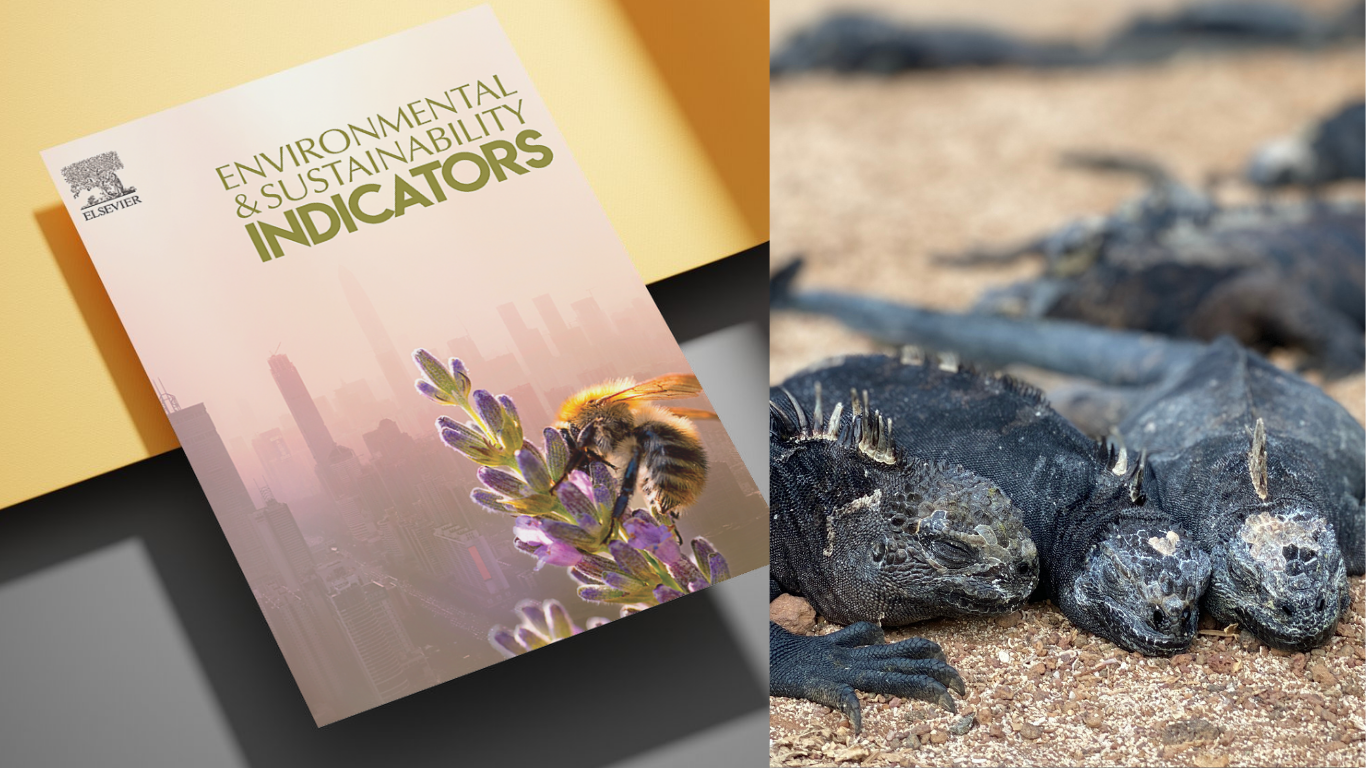
The article was developed by researchers from Escuela Superior Politécnica del Litoral (ESPOL): Victoria Rosado, Ing.; Valeria Vaca, Ing.; Gianella Bravo, M.Sc.; Daniel Garcés, M.Sc.; y Maurizio Mulas, Ph.D.; NOVA Information Management School - Universidade NOVA de Lisboa: Melanie Menoscal, Ing.; and Universidad Técnica de Manabí: Erwin Larreta, M.Sc., consolidating the institutional contribution to high-impact scientific research in sustainability, water management, and climate resilience in insular ecosystems.