

Recent seismic activity in the region has caused concern among the public. The Geology program at ESPOL’s Faculty of Geosciences Engineering (FICT) reminds the public of the importance of obtaining information from official sources, understanding the origin of these events, and strengthening preventive measures.
The earthquakes recently recorded in Venezuela and Colombia have led many people to wonder whether these events could foreshadow a large-magnitude earthquake in Ecuador. However, these events originate in different seismic zones and from different sources, so they should not be interpreted as a sign that a strong earthquake is about to occur in our country.
Ecuador and Its Seismic Context
Ecuador is located in an area of significant tectonic activity due to the Nazca Plate’s position beneath the South American Plate. This movement can generate various types of earthquakes, both shallow and deep.
Understanding these processes allows us to interpret seismic activity responsibly and avoid spreading information that could cause unnecessary fear. Seismic activity is part of our planet’s natural dynamics, and preparedness is a fundamental tool for reducing risks in the face of such events.
Earthquakes cannot be accurately predicted, nor can their magnitude be precisely determined. For this reason, the recommendation for the community is to have basic preparedness measures in place that will enable them to respond appropriately in an emergency.
What should you do before, during, and after an earthquake?
Preparation begins before an earthquake strikes. Among the main recommendations are:
Before the earthquake:
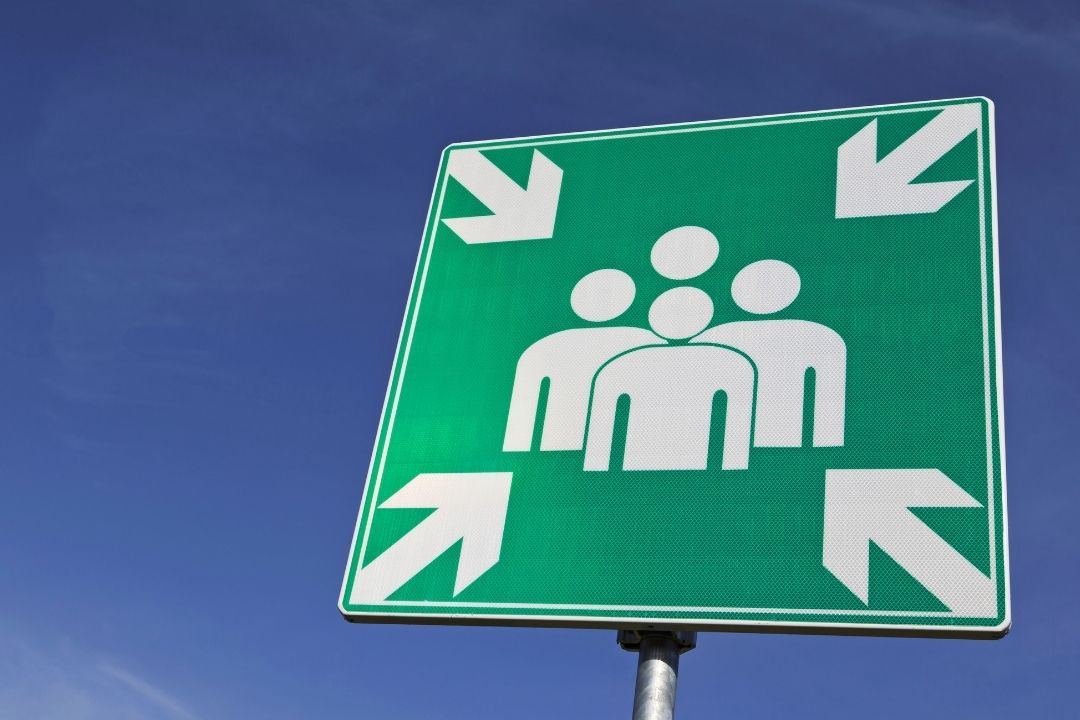
- Identify safe areas in your home, workplace, or school.
- Learn and review evacuation routes.
- Prepare and keep an emergency backpack readily available.
During the earthquake:
- Stay calm.
- Duck and cover.
- Stay away from windows, poles, wires, and objects that could fall.
- Avoid using stairs and elevators while the shaking is occurring.
After the earthquake:
- Evacuate cautiously when necessary.
- Check your surroundings for potential hazards.
- Stay informed through official sources and avoid sharing unverified information.
- Being informed is also a form of prevention
In the event of earthquakes or aftershocks, the public should turn to official channels for information on seismic activity and recommendations from authorities such as the Geophysical Institute of the National Polytechnic School and the National Secretariat for Risk Management.
The university community and the general public are called upon to strengthen a culture of prevention based on scientific information, preparedness, and responsibility.
Geology helps us understand the Earth’s dynamics; prevention helps us protect lives.
🎦 Instagram Reels
Sustainable Development Goals (SDGs)
- SDG 4 – Quality Education
- SDG 11 – Sustainable Cities and Communities
- SDG 13 – Climate Action